
Key Takeaways
- September 2026 U.S. employment data showed construction added 11,000 jobs, while nonresidential specialty trade contractors added 12,000, continuing the segment’s upward trend.
- Construction Executive reported in September 2026 that July nonresidential spending growth came entirely from the data center segment, with power as the only other major category showing growth tied largely to that same buildout.
- For Central Texas contractors, that narrow national growth story matters because data center and related infrastructure work can tighten the labor pool across Austin, Round Rock, San Marcos, Waco, and the broader I-35 corridor, even for firms that never bid a data center project directly.
- Electricians, low-voltage technicians, HVAC and sheet metal workers, plumbers, pipefitters, concrete crews, and experienced field leaders are likely to feel the most pressure as mission-critical, high-MEP work stays active.
- ABC Central Texas offers practical next steps through registered apprenticeship programs, safety training, and regional market intelligence for contractors that want to strengthen workforce planning this fall.
Why September’s Jobs Data Matters for Central Texas Contractors This Fall
September 2026 U.S. employment data showed that construction added 11,000 jobs, while nonresidential specialty trade contractors added 12,000. That matters because specialty trades did not just participate in construction hiring. They led it.
Construction Executive added important context in its September 2026 economic roundup. Its reporting said July nonresidential spending growth came entirely from the data center segment. Excluding data centers, nonresidential spending fell for a second straight month, and power was the only other major category showing growth, largely because of the same data center buildout.
That is the signal Central Texas contractors should focus on. The market isn’t broad-based across every building type. Instead, a narrower set of projects is driving demand and relies heavily on electrical, mechanical, controls, concrete, and related specialty-trade capacity.
For contractors in Austin, Round Rock, San Marcos, Waco, and across the I-35 corridor, the practical decision is straightforward: does your current workforce plan still hold up if data center-linked work keeps absorbing critical trades and experienced field leadership through late 2026 and into 2027?
How Data Centers Are Powering a Narrow Slice of Construction Growth
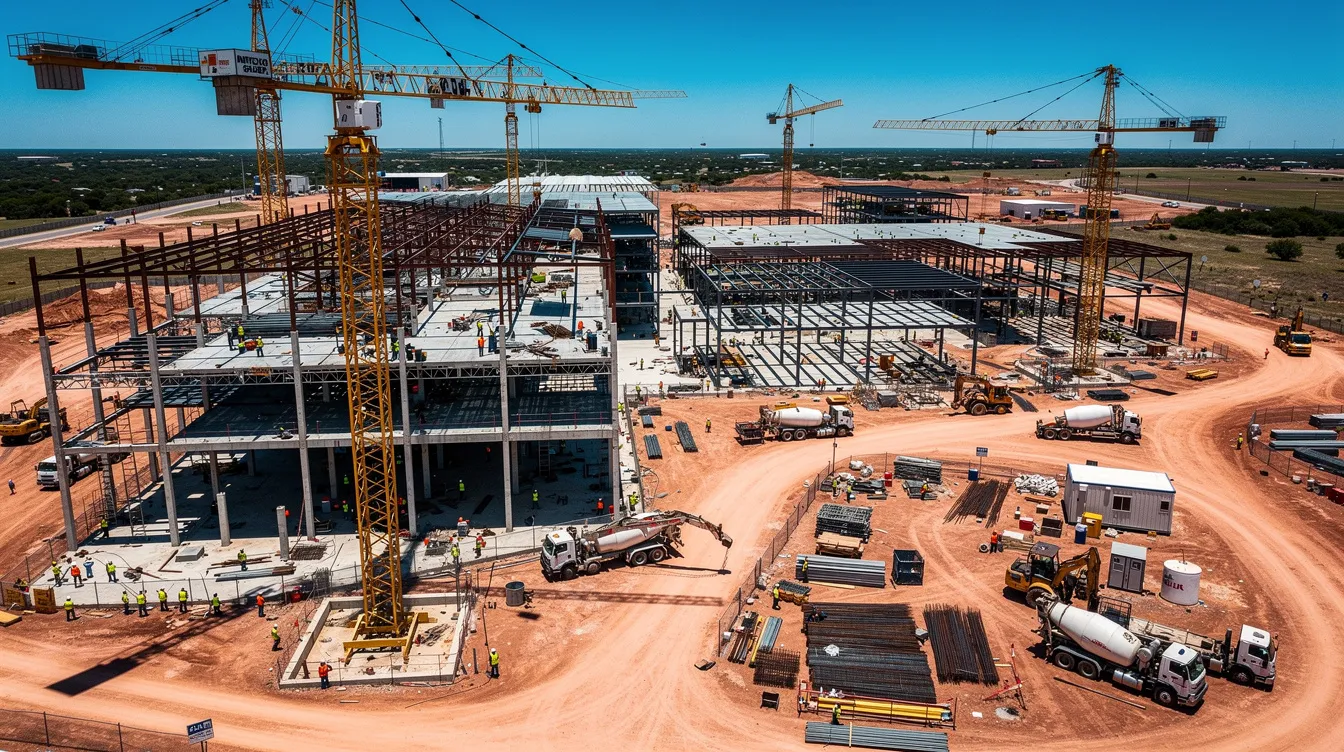
The latest national numbers do not point to a uniform construction boom. They point to concentrated momentum. Construction Executive’s September roundup described data center construction as the industry’s major tailwind, while also noting headwinds from rising materials prices, labor shortages, and borrowing costs.
That concentration matters because data center work tends to lean heavily on the trades that are already hardest to replace. These facilities demand dense electrical scope, substantial mechanical and cooling systems, extensive controls work, and disciplined sequencing from field supervision. Even without attaching unsupported budget percentages to that scope, the operating reality is clear: mission-critical facilities consume large amounts of specialty-trade attention for long stretches.
When one segment pulls that much labor and supervision into a region, the impact spreads well beyond the projects carrying the “data center” label. Contractors working on healthcare, education, industrial, tenant improvement, or infrastructure projects can still feel the effects through longer hiring timelines, tighter subcontractor availability, and more competition for proven foremen and superintendents.
Why Central Texas Feels the Hiring Pressure Quickly
This national pattern lines up with ABC Central Texas’ recent local market coverage. The chapter has already noted that the Central Texas construction labor market is adding jobs, burning through skilled-trade capacity, and showing no signs of cooling. That is exactly why a data-center-led national trend deserves attention here.
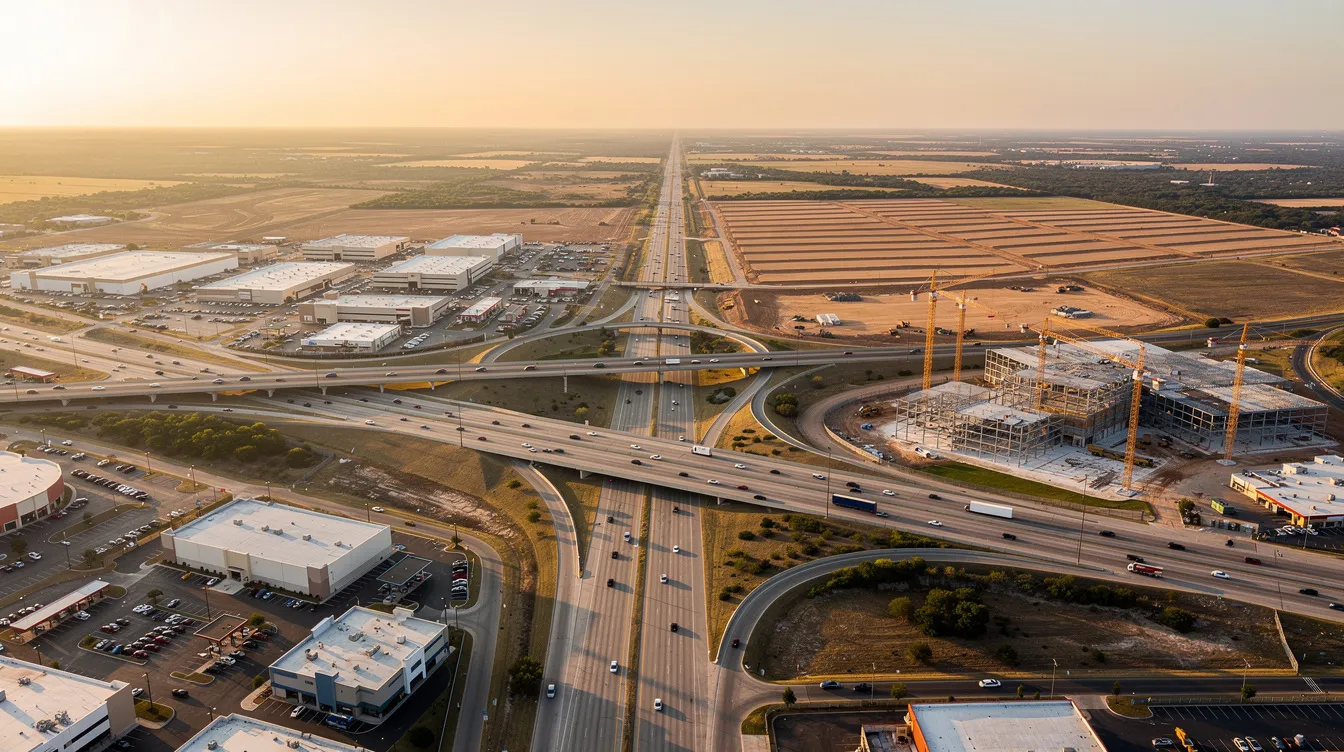
Central Texas has several overlapping demand drivers: tech-campus development, mission-critical work, advanced manufacturing, public infrastructure, and population-driven commercial growth. In that environment, a narrow national growth engine can still create wide local disruption because many project types compete for the same workers.
The effect is not limited to one city. Contractors in Austin and Round Rock may see the earliest pressure around electrical, mechanical, and controls-heavy work, but ripple effects can extend south toward San Marcos and north toward Waco as firms compete for the same labor pool and experienced field supervision.
This is why Central Texas contractors should think regionally about labor competition. You do not need to be building a hyperscale campus to feel the consequences of one being staffed nearby.
The Trades and Roles Most Likely to Tighten First
The current signal points most strongly toward continued pressure in specialty-trade and field-leadership roles rather than uniform pressure across every construction occupation.
In practical terms, Central Texas contractors should watch for strain in:
- Electricians and low-voltage technicians
- HVAC and sheet metal workers
- Plumbers and pipefitters
- Concrete and structural crews
- Commissioning, controls, and startup support roles
- Foremen, general foremen, and superintendents with complex MEP or mission-critical experience
Field leadership deserves special attention. When labor markets tighten, replacing a superintendent or experienced foreman is often harder than filling a single craft opening. Those leaders carry schedule judgment, safety enforcement, crew coordination, and production discipline that are difficult to replace quickly.
That is one reason ABC Central Texas’ prior labor-market coverage remains relevant here. The chapter’s recent reporting describes a regional market where specialty trades are already carrying the hiring engine. September’s national data suggests that pattern has not eased.
What the Hiring Squeeze Can Mean for Your Backlog and Operations
Labor pressure usually shows up operationally before it shows up in official company reports. Contractors often feel it first through slower hiring, more selective subcontractor responses, longer fill times for key field roles, and tighter crew scheduling across overlapping projects.
In a market shaped by data-center demand, Central Texas firms may need to make more disciplined decisions about which work to pursue and which work to price more cautiously. A full backlog is not automatically a healthy backlog if the company cannot staff or supervise that work without overtime strain, schedule drift, or safety risk.
That makes backlog quality more important than backlog volume. For firms that need a practical follow-up, ABC Central Texas already has related guidance on evaluating whether current backlog is truly buildable: backlog quality guidance.
Contractors should also expect tighter competition for specialized trade partners. If the same electrical, mechanical, or concrete firms are being pulled toward mission-critical work, even companies outside that segment may face bid coverage issues or delayed mobilization on otherwise ordinary jobs.
How Central Texas Contractors Should Respond This Fall
The best response is not panic hiring. It is earlier and more disciplined workforce planning.
Start with a six- to twelve-month review of likely work, staffing assumptions, and exposure to trades under the most pressure. Identify where your plan depends on hard-to-replace supervision, aggressive hiring assumptions, or trade capacity you do not firmly control.
Then review retention and advancement. In a tight market, contractors compete on more than wages alone. Predictable scheduling, a strong safety culture, visible advancement paths, and credible training support can help firms keep valuable people when labor demand is high.
Cross-training and internal development also matter. If promising craft workers can be moved intentionally into lead or assistant-foreman roles, the company improves its bench strength before the next labor pinch hits.
These are practical merit shop advantages. Firms that can promote based on performance, train to company standards, and stay flexible in how they develop talent are generally better positioned to adapt when the market shifts quickly.
Using Registered Apprenticeship to Build Capacity Instead of Chasing It
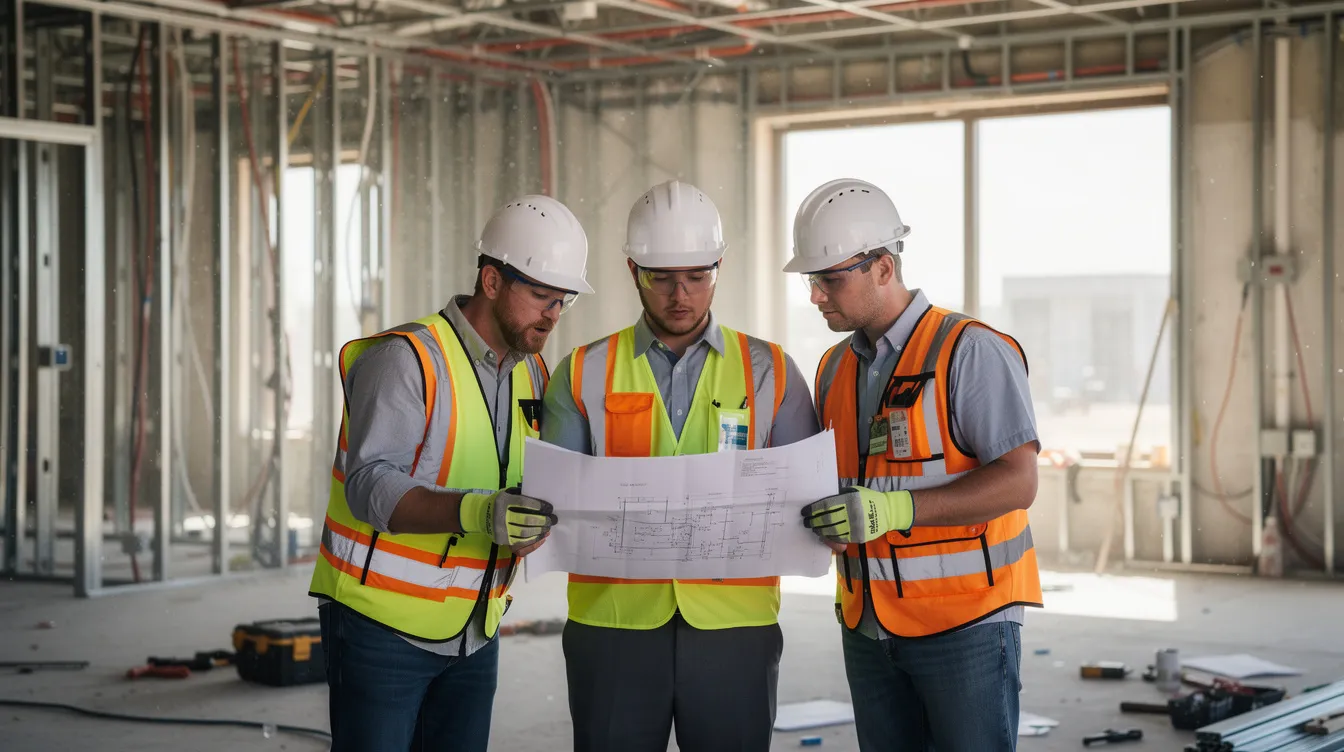
Short-term recruiting matters, but it doesn’t solve a structural labor challenge on its own. When specialty-trade demand stays elevated, one of the few levers contractors can control is pipeline development.
ABC Central Texas operates U.S. Department of Labor-registered apprenticeship programs in Carpentry, Concrete, Electrical, HVAC, Pipefitting, Plumbing, and Sheet Metal. For companies that expect labor pressure to continue, apprenticeship is not just a long-range workforce gesture. It is a business decision about future capacity.
The chapter’s related workforce coverage also notes that the industry needs about 349,000 new workers in 2026 to meet demand. That is a useful reminder that firms cannot rely on the open market alone to supply every skilled worker they will need.
For Central Texas contractors, the takeaway is practical. If data center and adjacent high-demand work continue to absorb experienced tradespeople, companies that invest now in structured training and advancement will be better positioned than those relying only on spot hiring.
Contractors ready to act can start with ABC Central Texas’ registered apprenticeship and career-paths resource.
How ABC Central Texas Can Help Contractors Act on This Signal
ABC Central Texas is positioned to help members turn this market signal into a workforce response. Relevant resources include apprenticeship sponsorship, safety and OSHA-related training, leadership development, and market-intelligence content focused on the Central Texas corridor.
For readers who want more regional context on how this trend is already affecting project conditions, the chapter’s related coverage on Central Texas construction labor momentum and Central Texas data center construction offers a useful next step.
The important point is not to treat September’s jobs report as isolated national news. It is a prompt to review staffing realism, backlog fit, and talent-pipeline strategy before regional competition tightens further.
Action Checklist: What to Do in the Next 30 Days
- Review active and likely 2027 work and flag projects that depend heavily on electrical, mechanical, concrete, or experienced field-leadership capacity.
- Meet with operations, HR, and field leaders to identify roles that would be hardest to replace if regional demand tightens further.
- Reassess backlog quality, not just backlog size, using realistic staffing and supervision assumptions.
- Identify internal candidates for lead, assistant-foreman, or foreman development and pair them with structured mentoring.
- Contact ABC Central Texas about apprenticeship sponsorship, workforce-development support, or training options tied to the trades under the most pressure.
FAQ
Below are answers to common questions about this topic.
Why does a national data center trend matter if my company does not build data centers?
Because the labor effects spread beyond the project type itself. When one segment absorbs electricians, mechanical trades, concrete crews, or experienced supervision, other commercial and industrial contractors often feel it through slower hiring, tighter subcontractor availability, and more competition for proven field leaders.
Which roles should Central Texas contractors watch most closely right now?
Start with electricians, low-voltage technicians, HVAC and sheet metal workers, plumbers, pipefitters, concrete crews, and experienced foremen or superintendents. Those roles are closely tied to the specialty-trade growth highlighted in the September data.
What is the most practical first response for contractors this fall?
Conduct a six- to twelve-month workforce and backlog review. Confirm which jobs are truly staffable, which leadership roles are most exposed, and whether apprenticeship or internal advancement should be accelerated before next year’s work ramps up.
How does apprenticeship connect to this issue?
When the open labor market is tight, apprenticeship helps firms build future capacity instead of competing only for already-developed talent. For contractors expecting continued pressure in electrical, mechanical, plumbing, pipefitting, concrete, or sheet metal roles, that pipeline can be strategically important.
What should merit shop contractors take from this data?
Flexibility matters. Merit shop firms can respond by promoting on performance, cross-training workers, strengthening safety culture, and building their own workforce pipeline through registered apprenticeship and leadership development.