
Construction protection services help contractors protect job sites, materials, equipment, and crews through layered controls, documentation, and response planning. In Austin, that risk is not theoretical. Austin Police published two 2026 notices tied to repeated theft activity at the same construction address on Shady Lane, including a copper-theft case and a later metal-theft case involving circuit breakers and an estimated $10,000 in losses.
For Central Texas contractors, the practical question is not whether every site needs the same security package. It is how to match site conditions to the controls that reduce avoidable loss and keep crews from walking into unsafe morning conditions after an overnight break-in.
What the Austin Shady Lane Cases Show
On April 16, 2026, APD investigated a copper theft at a construction site at 1125 Shady Lane. In that notice, police said the location had been targeted eight times since March 30. APD also noted that copper theft can cause costly damage to electrical systems, construction sites, and public infrastructure and may create serious safety hazards.
In a separate case, APD later said suspects returned to the same address on May 20, 2026, used a crowbar to enter locked apartment units under construction, and stole 26 circuit breakers from live, permanent-power electrical panels, causing an estimated $10,000 in losses.
Those notices do not prove a regionwide trend on their own. They do show a jobsite pattern contractors recognize: when a site is easy to enter after hours, and attractive materials or installed components are exposed, losses can escalate beyond replacement cost into safety concerns, rework, and schedule disruption.
A Simple Decision Tool for Construction Protection Services
The most useful way to evaluate construction protection services is to start with the site condition, then choose controls that fit the exposure.
| Site condition | Main exposure | Priority controls |
|---|---|---|
| Open site with road visibility but little overnight activity | After-hours trespass, tool theft, small material loss | Fence inspection routine, locked gates, visible lighting, locked storage, end-of-day site check |
| Partially built multifamily or commercial shell with installed electrical components | Copper theft, breaker theft, entry into unfinished units, tampering around energized areas | Restricted access to energized areas, lock control, targeted monitoring where feasible, documentation of live-panel locations, daily lockup checklist |
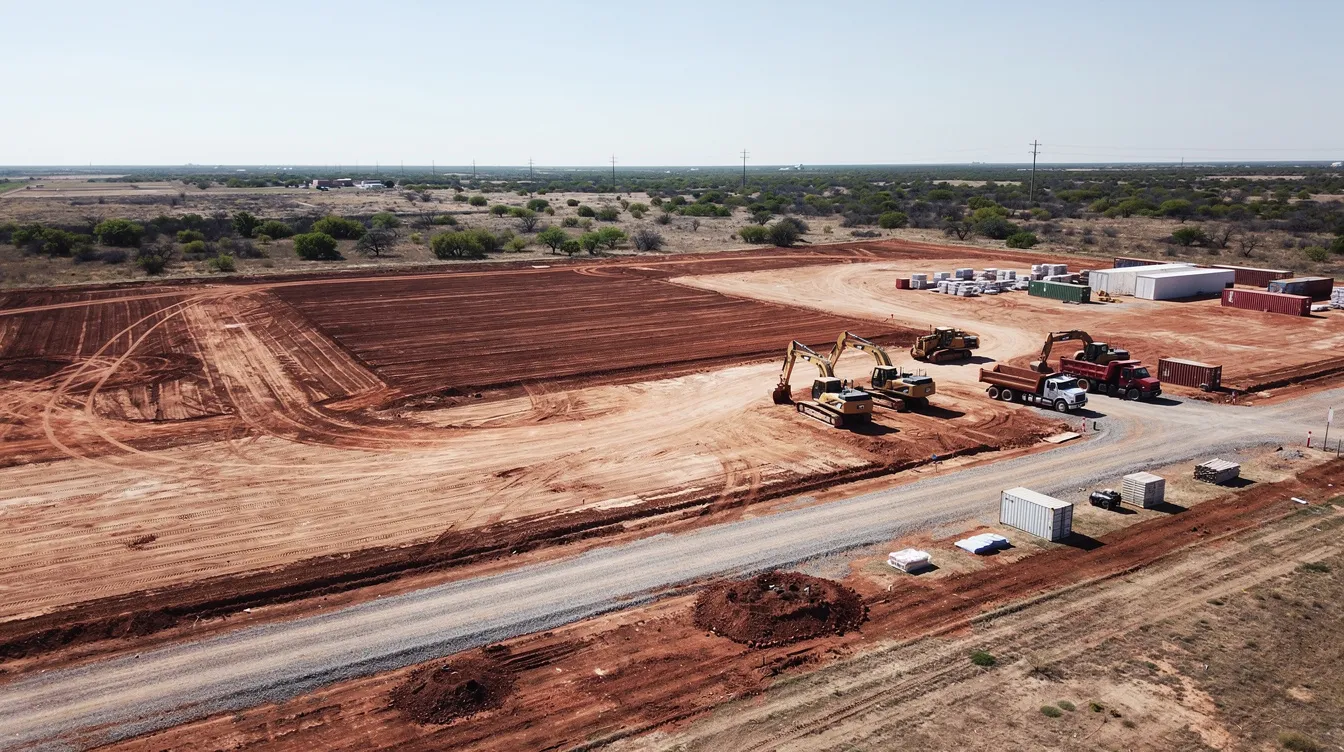
| Remote utility or corridor project | Low-visibility entry, equipment tampering, delayed discovery | Defined access points, equipment immobilization procedures, scheduled supervisor checks, inventory logging, communication plan for weak-cell areas |
| Fast-moving site with multiple trades and frequent deliveries | Untracked access, unsecured materials during handoffs, missing lockup steps | Trade access protocol, designated storage zones, sign-in procedure, delivery coordination, weekly security walk |
The goal is not to buy every available technology. It is to identify what would hurt the job most if stolen, damaged, or tampered with, then put dependable controls around those exposures first.
What a Layered Protection Plan Looks Like
A single control can fail quietly. Layered construction protection services work better because deterrence, visibility, and response support each other.
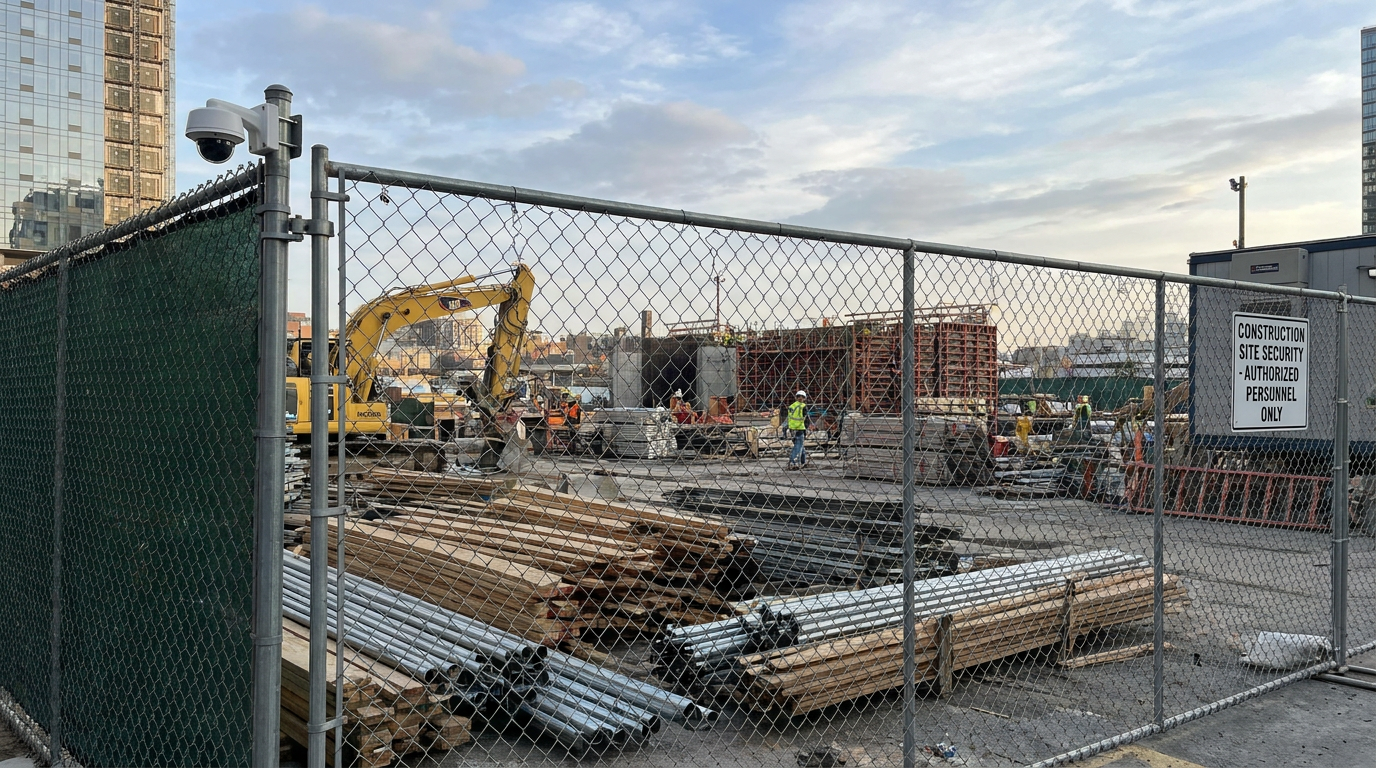
- Perimeter control: Fencing, gates, and limited entry points make unauthorized access harder and easier to notice.
- Lighting: Entrances, storage areas, and blind spots should remain visible enough that after-hours movement is harder to hide.
- Storage discipline: Copper, breakers, tools, fuel, wire, and smaller components should not sit in open staging areas if they can be consolidated, locked, or removed.
- Access management: Clear responsibility for keys, locks, and restricted areas reduces the chances that unfinished units or energized spaces stay exposed overnight.
- Monitoring and documentation: Cameras, remote viewing, or structured after-hours checks can improve awareness, but only if someone is responsible for reviewing and escalating what they find.
Construction Executive’s recent jobsite-security coverage on isolated projects points to the same broad categories: fencing, cameras, communication devices, and physical security presence as needed. Contractors can use that as research context, then scale controls to the actual site instead of treating security as a one-size-fits-all package.
End-of-Day Lockup Checklist
One practical deliverable is a short closeout routine that field leaders can repeat every day.
| Checkpoint | Confirm before leaving |
|---|---|
| Perimeter | Fence line intact, gates closed, locks engaged, no obvious breach points |
| Access aids | Temporary ladders, lifts, or other easy-entry aids are not left inviting after-hours access |
| High-value materials | Copper, breakers, wire, tools, fuel, and small components are locked, consolidated, or removed from exposed areas |
| Energized areas | Live panels, temporary power zones, and restricted rooms are locked and marked |
| Lighting | Required after-hours lighting is working at gates, storage zones, and blind spots |
| Documentation | Photos or notes capture unusual conditions, damaged locks, missing materials, or unresolved issues |
| Ownership | One person is responsible for final lockup and knows the incident contact chain |
This matters most when multiple trades leave at different times, and everyone assumes someone else handled the last step.

If a Break-In Is Found the Next Morning
OSHA’s construction quick-start guidance calls on employers to develop a jobsite safety and health program, and OSHA’s hazard-prevention guidance says employers should review job hazard analyses and job safety analyses before nonroutine work and foreseeable emergencies. Using that planning approach, contractors can set a simple internal response for suspected overnight entry.
- Pause work in the affected area. Do not restart blindly where locks, panels, doors, or materials may have been disturbed.
- Restrict access. Keep unnecessary personnel out until responsible supervisors or qualified trade personnel assess the condition.
- Document visible conditions. Record broken locks, cut fencing, open panels, damaged doors, or obvious missing materials.
- Preserve the area as much as practical. Avoid unnecessary cleanup or rearranging before the right internal and external contacts review the scene.
- Escalate through the project contact chain. Notify the superintendent, project manager, owner contact if required, and designated safety or security leads.
Those are operational recommendations, not a direct OSHA theft-response protocol. The point is to reduce the chance that a crew walks into damaged electrical equipment, tampered access, or other changed conditions without review.
Where Central Texas Contractors Should Look First
Across Greater Austin and the I-35 corridor, the highest-priority review points are usually straightforward:
- sites holding attractive materials overnight
- projects with installed electrical equipment before full enclosure
- unfinished units or rooms that can be forced open
- remote or lightly observed job sites
- projects where many trades share shifting storage and access points
That is why jobsite protection works best when it is built into operations, not treated as a separate afterthought. The superintendent, project manager, safety lead, and trade partners all influence whether the site is actually secure at day’s end.
Next Step for Contractors
Pick one active project this week and run a brief security walk focused on access points, storage areas, lighting gaps, lockup ownership, and energized zones. Then ask: if someone entered this site before dawn, what could they take, damage, or leave unsafe enough to disrupt today’s work?
ABC Central Texas’ Safety Programs support the broader planning and accountability habits that strong jobsites depend on, with online and in-person training and OSHA-related education through its UT Arlington partnership. For contractors across Austin, Round Rock, San Marcos, Waco, and the broader Central Texas region, construction protection services are most effective when they are tied to a repeatable field routine, not just a piece of equipment.