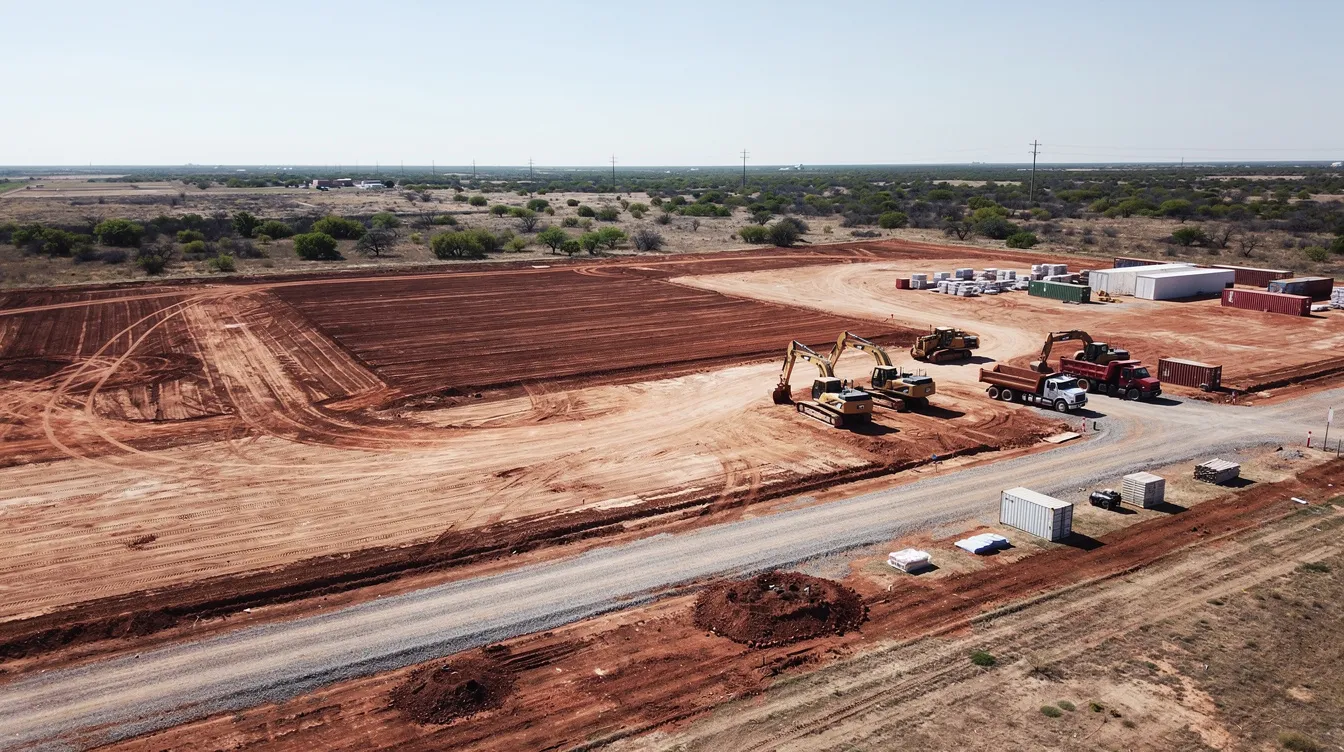
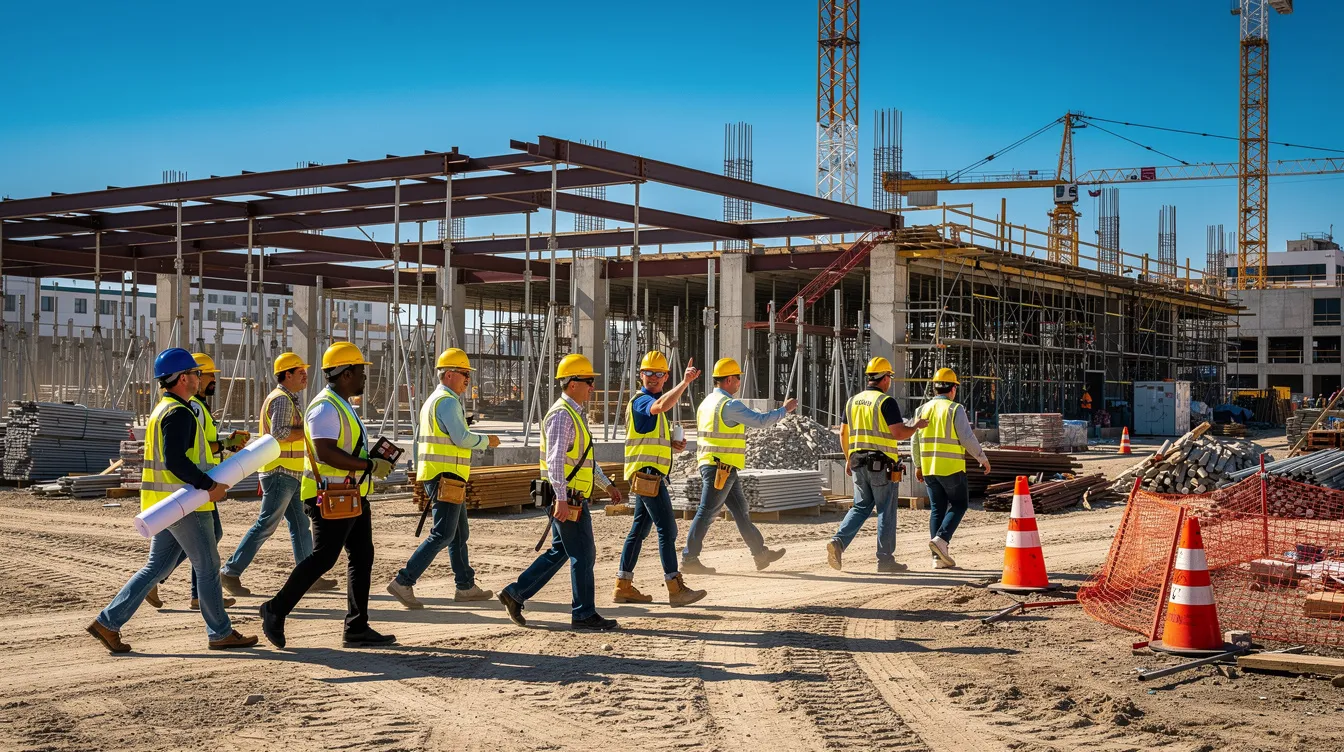
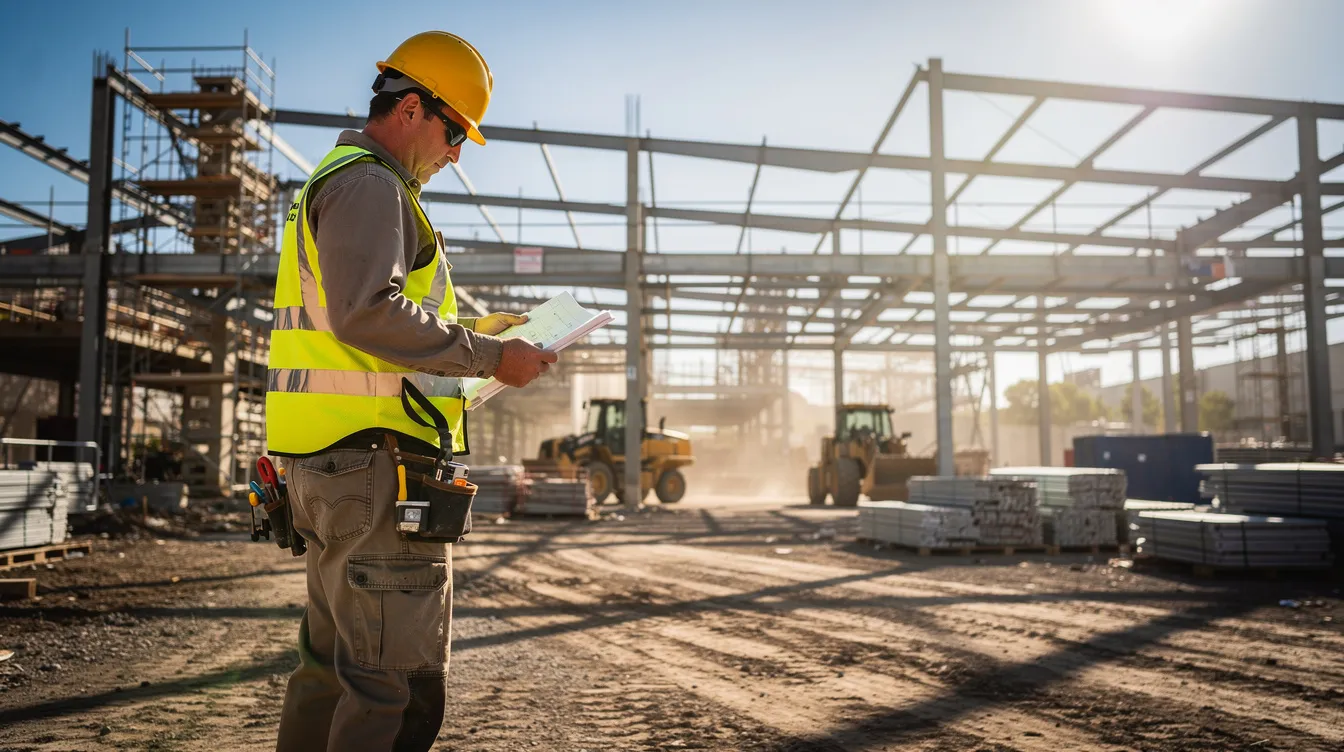
Central Texas contractors are managing more lifts, tighter sites, and smarter equipment than at any point in the region’s construction history. Construction technology training has shifted from a luxury to a necessity, and nowhere is that shift more visible than in crane operations: for crane operators, signal persons, riggers, supervisors, safety managers, and construction firm leaders, it now means ongoing training that keeps crews safe, compliant, and productive on complex job sites, not just initial certification. Ongoing training reduces risks on modern job sites, yet too many companies still treat a certification card as proof that an operator is ready for whatever the next project demands.
This article explains how OSHA crane operator certification and continuous training requirements fit together, how advanced crane technology increases both capability and risk, what operators and support crews need to be trained on, when retraining is triggered, how to document compliance, and why the business case for continuous construction technology training is getting stronger across Greater Austin and the I-35 corridor. That assumption is costing contractors time, money, and safety outcomes across Greater Austin and the I-35 corridor.
Lead: Smarter Jobsites Raise the Crane-Training Bar
Between TxDOT’s multi-billion-dollar I-35 Capital Express program, tech campus expansions, and a pipeline of commercial and institutional projects stretching from Waco through San Marcos, Central Texas is stacking crane-intensive work at a pace that compresses schedules and crowds laydown areas. Every one of those projects introduces variables that make yesterday’s training inadequate for tomorrow’s lift: new sensor arrays, digital load monitoring, anti-collision systems, and crews that may rotate across different construction sites weekly.
The thesis is straightforward. Static certification is not enough. Continuous retraining is essential for crane operators, signal persons, riggers, and supervisors, and it must be tied to the equipment they operate and the conditions they work in.

What OSHA Expects For Operator Certification And Training
OSHA’s Subpart CC (29 CFR Part 1926, specifically § 1926.1427) sets the federal floor for crane operator qualification. Training helps ensure compliance with OSHA standards, and the requirements go well beyond handing someone a certificate.
Employers carry three distinct obligations before an operator may work without continuous supervision:
- Training on the specific crane type and tasks to be performed
- Certification or licensure through a third-party accredited body (such as NCCCO) or an audited employer program, along with licensing where required
- Employer evaluation of the operator’s competency on the actual equipment configuration, including boom length, attachments, counterweight, operational aids, and safety devices, where applicable
OSHA requires crane operator training and certification compliance, as well as licensing compliance where required. Crane operators must hold a license for each crane type they operate, and employers cannot rely solely on a certificate to establish competency. Cranes must be inspected at least every 12 months for safety, and OSHA requires crane inspections every 12 months for non-personnel use. Employers must ensure cranes are examined before first use on any project.
The distinction between initial certification and periodic evaluation matters. Certification (often valid for five years through NCCCO) proves baseline knowledge. Employer evaluation proves the operator can safely handle the specific crane, configuration, and site conditions on that project, that day. When deficiencies surface or equipment changes, retraining is mandatory, not optional.
How Smarter Jobsites Change Risk For Crane Operators
Advanced cranes require specialized knowledge to operate effectively, including an understanding of both digital controls and mechanical systems. Today’s cabs include load moment indicators, telematics dashboards, anti-collision alerts, wind and boom-angle sensors, and camera feeds that cover blind spots. Digital tools reshape the construction built environment, and digital workflows improve jobsite communication and data sharing across the entire project team.
That technology can reduce errors, but it also creates new failure modes:
- Sensor reliance without verification. An operator who trusts a load moment indicator without understanding how it was programmed for the current boom length and outrigger setup can exceed capacity without realizing it.
- Override scenarios. Automated safety systems can be bypassed, sometimes deliberately when an operator believes the system is wrong, sometimes accidentally through misconfiguration.
- Mixed-crew communication gaps. When signal persons, riggers, and operators rotate frequently on fast-paced projects, consistent understanding of camera feed limitations, radio protocols, and sensor latency breaks down.
Safety and compliance technology lowers jobsite accident rates, but only when operators are trained on it. Occupational safety frameworks now integrate technology tracking into safety training, reflecting the reality that the equipment itself has become a training subject. Effective training combines digital skills with modern construction processes, not one or the other.
Central Texas contractors building an AI-ready workforce understand that smarter tools demand smarter operators, not just smarter software.
Where Central Texas Contractors Feel the Pressure Most
The regional picture intensifies every pressure point. Austin’s urban core and surrounding communities present specific crane challenges:
- Tight urban lots in downtown Austin and Round Rock leave minimal margin for boom swing, outrigger extension, and signal visibility
- Campus and infrastructure megaprojects along I-35 demand multiple cranes operating in proximity, with lift sequencing around other trades
- Schedule compression on commercial, multifamily, and industrial work means fewer buffer days to absorb a crane incident or failed inspection
- Labor turnover in a competitive market forces repeated onboarding of operators who may be certified but unfamiliar with the specific equipment, site, or tech stack
Construction technology training has evolved beyond individual software tools. On a congested Austin jobsite, crane training now intersects with lift planning software, telematics integration, and real-time coordination with other trades operating under the same boom radius.
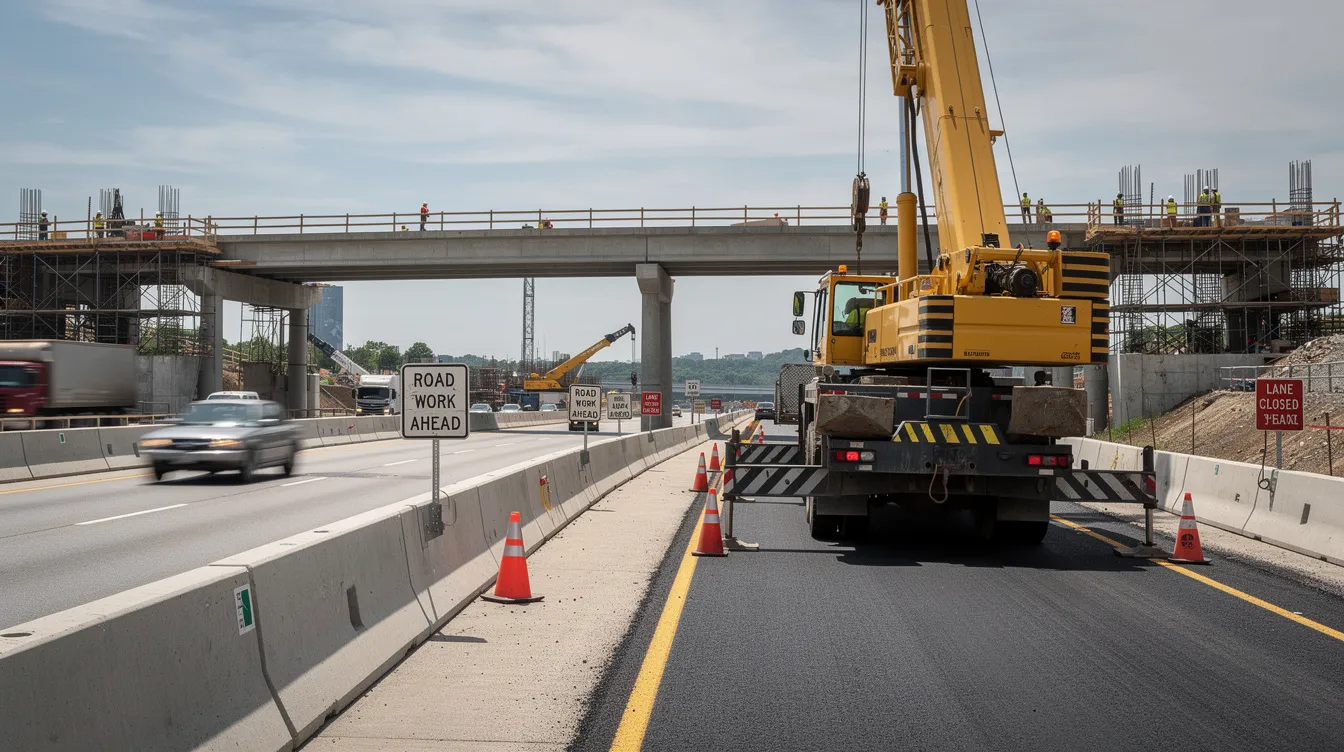
What Ongoing Crane Operator Training Should Cover
Baseline certification establishes minimum competency. Ongoing crane operator training fills the gap between what an operator learned two or five years ago and what the current project demands.
Training modules should address:
- Load charts and task-specific lift planning. Interpreting capacity under varied configurations and equipment setups, including boom extension, jib cranes, and counterweight, while calculating radius, dynamic loads, and wind impact. Mastering modern tools reduces costly rework in construction projects.
- Rigging awareness and exclusion-zone control. Sling inspection, hardware selection, shock loading prevention, fall protection for suspended loads, and controlling access beneath active lifts.
- Signal-person protocols and radio procedures. Standardized hand, radio, and light signals with verification that every crew member on site uses the same protocol. Redundancy procedures when visibility is blocked.
- Tech modules for digital controls and sensors. Hands-on calibration verification, reading load moment indicators, understanding limitations, fail-safe behaviors, and override procedures.
Lean construction training focuses on productivity improvement and waste reduction, and crane training is no exception. Proper training maximizes efficiency and reduces equipment downtime. Virtual reality and augmented reality training provide a reliable way to rehearse complex lifts in virtual or hands-on simulations before crews execute them live, improving construction safety planning.
Mobile Crane Operator Certification And Operator Training Pathways
Mobile crane operator certification is the most common credential required for commercial and infrastructure work across Central Texas. The National Commission for the Certification of Crane Operators (NCCCO) administers written core exams, specialty exams (lattice boom crawler, lattice boom truck, telescopic boom), and practical performance testing. Mobile crane operators must demonstrate technical knowledge across multiple crane types, and crane operators must retake refresher training every five years to maintain certification.
Crane operator apprenticeships typically last three to four years, combining classroom instruction with progressive on-the-job learning, including early exposure to hoists as part of foundational lifting experience. For companies needing to bring operators online faster, initial crane operator training can take as little as two weeks for focused skill sets. Certificates and diplomas from trade schools provide focused technical skills that help candidates reach certification readiness faster. Trade certificates help individuals enter the workforce quickly, especially in a market where labor demand outpaces supply.
Employer evaluation remains the critical layer. Even a certified operator must be assessed on the specific crane type, configuration, and jobsite conditions before operating independently. Task-based assessments tied to the actual equipment and project conditions are what separate compliance from competence.
AP Crane Training And Local Training Options
Providers like AP Crane Training offer NCCCO preparation courses, bilingual instruction, customizable onsite programs, and related training services that address the specific equipment and conditions contractors face. Construction technology training spans a diverse ecosystem of programs, from focused crane certification prep to comprehensive workforce development, and experienced instructors are often a key differentiator in onsite and certification-prep delivery.
For contractors building longer-term pipelines, the training landscape includes multiple tiers:
- Registered apprenticeships in crane operation and related trades, available through organizations like ABC Central Texas
- Two-year community college programs that blend general education with technical instruction
- Four-year degrees in construction management that focus on macro-level aspects of building science
Career advancement opportunities increase with certified expertise in construction technology. Workforce development programs equip students with modern construction skills, and contractors who invest in structured training pathways retain operators longer and reduce the cost of turnover-driven retraining.
Training For Signal Persons, Riggers, And Supervisors
Crane training programs that focus exclusively on the operator miss two-thirds of the crew involved in a safe lift.
Supervisor training must include stop-work authority protocols, the ability to recognize when a lift plan is no longer valid (after boom changes, weather shifts, or ground condition changes), and oversight of operator configuration, signal persons, and riggers. Decision-making strengthens safety culture when foremen are trained to intervene before a marginal lift becomes an incident.
Signal-person competency refreshers should cover standardized signal protocols, radio communication, camera system blind spots, and verification procedures for blocked-visibility lifts.
Rigger practical sessions should reinforce sling and hardware inspection, load weight estimation, center-of-gravity calculation, and rigging configuration for the specific materials being lifted on that project.
A Workable Refresher Cadence For Busy Contractors
OSHA does not prescribe a fixed calendar interval for refresher training beyond the five-year certification renewal cycle. Operators must retake refresher training every five years for certification, but effective programs tie retraining frequency to operational triggers, not the calendar alone.
A practical cadence includes:
| Trigger | Training Action |
|---|---|
| New crane model or attachment introduced | Equipment-specific familiarization before operation |
| Complex or critical lift planned | Task-specific lift plan review and crew briefing |
| Incident, near-miss, or overload event | Root-cause review and targeted retraining |
| Operator returns from extended absence | Competency re-evaluation on assigned equipment |
| Site conditions change significantly | Updated ground, obstruction, and proximity assessment |
| Personnel rotate onto the project | Onboarding evaluation for new crew members |
Tie evaluation frequency to project complexity, personnel turnover, and equipment changes rather than running the same annual refresher regardless of conditions.
Documentation, Inspection Trail, And Compliance Proof
The STIS, Inc. enforcement case in Texas demonstrated what happens when documentation fails. OSHA cited the employer under § 1926.1427(f)(1)(i) for lacking evidence that the operator had been evaluated on the crane’s safety devices, operational aids, and configuration. No documentation meant no defense.
Inspections identify necessary repairs without performing them, while maintenance includes repairs, adjustments, and repairs during the service visit. Understanding that distinction matters for recordkeeping. Inspection contracts have lower initial costs but higher long-term expenses if you don’t address identified issues promptly. Competent, impartial persons must conduct inspections.
Contractors should maintain a risk management inspection trail that includes:
- Operator evaluation records tied to specific crane type, configuration, and site conditions
- Training completion logs documenting date, instructor, curriculum, and assessment results
- Lift plan documentation with pre-lift verification sign-offs
- Certification and licensure copies for every operator on the project
- Incident and near-miss reports with corresponding retraining actions
- Equipment inspection and calibration records for sensors, load moment indicators, and safety devices, including documented maintenance or repairs to those devices
Technology-Specific Topics To Include In Training
As construction safety culture evolves with market signals, technology-specific training modules must keep pace.
Required instruction should include:
- Interpreting load-monitor data. Operators must understand what the load moment indicator is measuring, how it was configured for the current setup, and when to question its readings against manual load charts.
- Camera and sensor verification checks. Operators and signal persons must verify that camera feeds are active, positioned correctly, and not creating false confidence in blind-spot coverage.
- Failure-mode drills for tech override scenarios. Crews should practice what to do when a sensor fails, when an automated system produces a warning, and when the operator decides to override or shut down.
Tower crane training also requires familiarity with fixed-site assembly, height, and lift-path planning. Training for truck-mounted cranes should address mobility, setup, and job-to-job changes in operating conditions.
Training in construction data and automation prepares professionals for future roles as equipment becomes more integrated. Building Information Modeling (BIM) teaches professionals to create digital representations of physical spaces, and that same digital literacy applies to understanding how crane operations interact with 3D site models and lift path planning.
The Business Case: Uptime, Productivity, And Reputation
The financial argument for ongoing crane training is not abstract. Crane maintenance contracts can reduce repair costs by 40 to 70 percent, and the same principle applies to operator competency: planned training investment prevents unplanned losses from incidents, shutdowns, and rework. Planned maintenance can reduce crane repair costs by 40 to 70 percent when issues are identified early, not after failure.
Proper training maximizes efficiency and reduces equipment downtime. For Central Texas contractors competing on tight margins:
- Fewer incidents mean fewer OSHA citations, lower insurance costs, and less project delay
- Stronger documentation means better defense against claims and smoother audits
- Demonstrated safety culture becomes a differentiator in bids, especially for institutional and public-sector owners who score safety performance
- Reduced turnover costs because operators who receive ongoing development stay longer
Construction safety culture shapes market signals for Central Texas contractors. Companies that treat crane training as a productivity tool, not just a compliance cost, build the reputation that wins repeat work.

Before Your Next Critical Lift: Practical Pre-Lift Checklist
Every safety director and project manager should verify these items before the next critical lift:
| Checklist Item | Verified |
|---|---|
| Operator certification current and on file for this crane type | ☐ |
| Employer evaluation completed for this specific crane, configuration, and site | ☐ |
| Load chart reviewed and matched to planned lift radius, boom length, and attachments | ☐ |
| Signal-person competency confirmed and communication protocol briefed | ☐ |
| Rigging inspected and appropriate for the load | ☐ |
| Sensors, load moment indicator, and cameras verified operational and correctly configured | ☐ |
| Ground conditions and outrigger setup confirmed | ☐ |
| Exclusion zone established and communicated to all trades | ☐ |
| Lift plan documented and signed off by competent person | ☐ |
| Weather and wind conditions checked against crane operating limits | ☐ |
If any box cannot be checked, do not proceed with the lift. Stop-work authority is not a suggestion.
Next Steps And CTA For Central Texas Contractors
Construction technology training and multi-skilled crews are the foundation of safe, productive crane operations in a market that is only getting busier and more complex. ABC Central Texas offers OSHA training, safety programs, and registered apprenticeship pathways that help contractors build the competency their projects demand.
Three actions to take this week:
- Audit your crane training records. If your documentation would not survive an OSHA inspection or a post-incident review, close the gap now.
- Register for OSHA or safety training through ABC Central Texas Safety Programs to bring operators, signal persons, and supervisors current on equipment-specific and technology-driven requirements.
- Evaluate your refresher cadence. If your next scheduled retraining is years away but your equipment or crews have changed, the calendar is lying to you.
The crane is going vertical on your next project whether your team is ready or not. Make sure they are.