Falls in construction remain the single deadliest hazard on American jobsites, but the latest national data suggest safety progress is not reaching every part of the industry equally. For Central Texas contractors managing building, civil, and specialty trade portfolios, that uneven improvement calls for a more targeted, project-type-specific response.
Key Takeaways
- Fatal injury trends are diverging by construction subsector. CPWR’s June 2026 Data Bulletin reported that from 2012 to 2024, fatal injury rates declined for Heavy and Civil Engineering Construction and for Specialty Trade Contractors, but rose for Construction of Buildings firms.
- Falls in construction still dominate the risk picture. BLS reported 1,034 fatal work injuries in the construction industry in 2024, including 389 fatal falls, slips, and trips, or about 37.6% of all construction fatalities.
- Building construction deserves special attention. CPWR’s subsector findings suggest that aggregate industry improvement can hide rising risk in Construction of Buildings work, where fall exposure is often concentrated and project conditions change quickly.
- Central Texas contractors often operate across all three subsectors at once. Vertical building in Austin and Round Rock, highway and infrastructure work along the I-35 corridor, and specialty trades supporting both create very different hazard environments inside the same regional market.
- One companywide average can hide the real problem. Safety leaders should review fall incidents, near misses, equipment practices, and supervision patterns by sector and project type, not just at the portfolio level.
- The practical next step is a sector-by-sector review. Contractors should reassess fall prevention for building, heavy civil, and specialty trade work separately, then assign corrective actions where exposure is rising.
Why Falls in Construction Still Require a Sector-Specific Response
Falls continue to account for a large share of construction deaths. In 2024, the construction industry recorded 1,034 total fatal work injuries, including 389 fatal falls, slips, and trips. That means falls accounted for about 37.6% of all construction fatalities that year.
What makes the current moment more important is not just the total. It is the divergence under the surface. In its June 2026 Data Bulletin, CPWR reported that fatal injury rates decreased over time for Heavy and Civil Engineering Construction and for Specialty Trade Contractors, while Construction of Buildings moved in the opposite direction.
For contractors in Central Texas, this matters because the regional market does not fit neatly into one construction category. A contractor may have crews on multistory commercial work in Austin, transportation or utility work along I-35, and trade-intensive tenant improvement or service work elsewhere in the same month. If leadership relies on one generic fall-prevention program, it can miss how risk looks different across those jobs.
What CPWR’s June 2026 Data Bulletin Shows by Construction Sector
CPWR’s June 2026 Data Bulletin breaks construction into the same three major subsectors used in federal labor data:
- Construction of Buildings
- Heavy and Civil Engineering Construction
- Specialty Trade Contractors
The broad takeaway is clear. Between 2012 and 2024, fatal injury rates fell for Heavy and Civil Engineering Construction and for Specialty Trade Contractors, but rose for Construction of Buildings. CPWR’s published rates show Construction of Buildings increasing from 11.4 to 11.9 per 100,000 workers over that period, while Heavy and Civil fell from 25.0 to 16.1 and Specialty Trade declined from 13.4 to 11.7.
The immediate hazard mix also varies by subsector. CPWR’s bulletin reported that in 2024, falls, slips, and trips were the most common fatal event or exposure in Construction of Buildings and Specialty Trade Contractors, while transportation incidents were the most common in Heavy and Civil Engineering.
That distinction matters for decision-making. Fall prevention remains essential across all three sectors, but the surrounding operating conditions differ enough that contractors should not expect one training emphasis, one inspection checklist, or one field-control approach to deliver equal results everywhere.
How Fall Hazards Differ in Building, Heavy Civil, and Specialty Trade Work
Fall hazards exist on nearly every construction site, but exposure patterns change sharply by subsector.
Building construction concentrates risk in vertical environments: roofs, slab edges, floor openings, shafts, scaffolds, leading edges, and elevated interior work areas. On fast-moving commercial and mixed-use work in places like Austin or Round Rock, crews may face new fall exposures as each floor, facade, and interior phase advances.
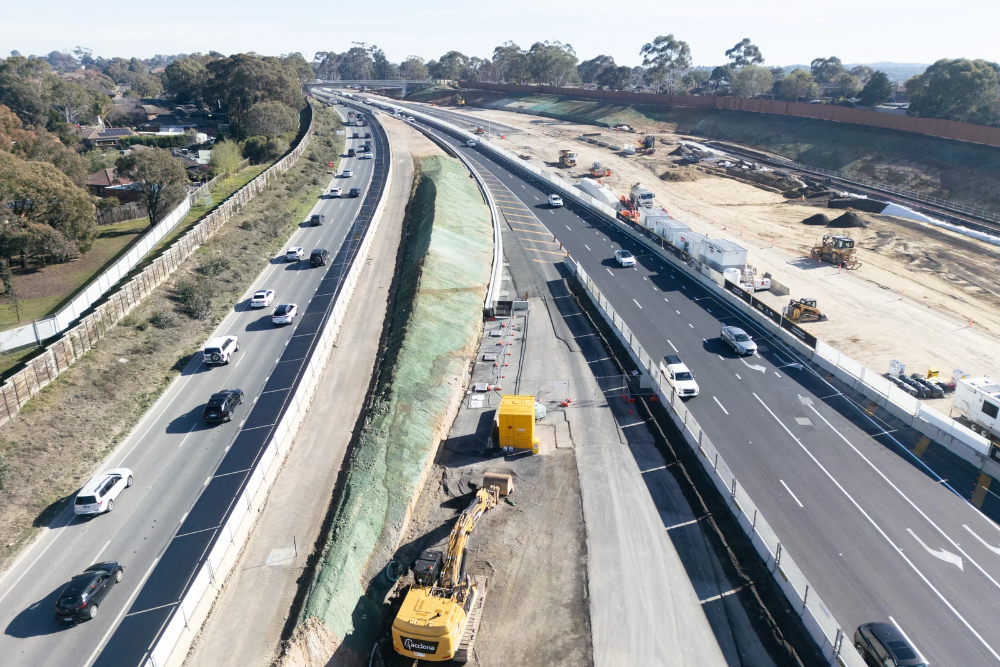
Heavy and Civil Engineering Construction presents a different mix. Workers may face falls from bridge decks, embankments, piers, excavation access points, and equipment or formwork, while also operating near traffic, haul routes, or large mobile equipment. That combination helps explain why transportation incidents remain such a large share of fatalities in the sector.
Specialty Trade Contractors often face the broadest range of fall scenarios. Ladder work, mobile scaffolds, roof access, aerial lift tasks, steel work, and short-duration elevated tasks can all appear across multiple jobsites in the same week. Because these crews move from site to site, consistent planning and minimum work rules become especially important.
The management challenge isn’t just the hazard itself. Crew mix, turnover, subcontractor coordination, supervision ratios, and schedule pressure also differ by sector. Those operating differences influence whether fall controls are planned early, installed correctly, inspected consistently, and followed in the field.
Common Fall Hazards Central Texas Contractors Should Prioritize
Even with different subsector profiles, several recurring hazard categories deserve attention across Central Texas portfolios.
- Unprotected edges and leading edges on slabs, decks, roofs, and elevated work platforms
- Floor openings, shafts, skylights, and other openings that need proper guarding or covering under applicable safety requirements
- Ladder misuse, including poor setup, overreaching, or carrying loads that interfere with safe climbing
- Scaffold and temporary platform issues, especially where conditions change quickly, or multiple trades share access points
- Short-duration elevated tasks that crews may treat informally even though the exposure can still be severe
Housekeeping matters here too. Congested work areas, overlapping trades, wet surfaces, poor access routes, and rushed transitions between phases can all increase the chance that a routine elevated task becomes a serious incident.
For construction work, OSHA’s trigger height for many fall-protection requirements is 6 feet, but contractors should treat compliance as the floor, not the finish line. The stronger approach is to identify where work at height actually happens by project type, then verify that the right controls are in place before the crew starts.
Using Sector-Level Data to Target Fall Prevention
National data is most useful when it changes field decisions. CPWR and BLS can show where risk is concentrated by subsector, but each contractor still needs to test those patterns against internal experience.
Start by separating incident and near-miss records by project type rather than reviewing a blended company total. Compare vertical building work, heavy civil projects, and specialty trade assignments separately. Then look at where fall exposure clusters: roofs, ladders, floor openings, scaffolds, bridge work, aerial lifts, or short-term access tasks.
For Central Texas firms, this can be especially revealing. A company may discover that its building division has more recurring edge-protection issues, while a civil group has fewer falls but more exposure around traffic and access routes. A specialty trade group may show repeated ladder or mobile-scaffold concerns across otherwise unrelated jobsites. Those are different problems, and they require different fixes.
The point of the data review is practical allocation. If one sector carries more risk, leadership should focus equipment upgrades, pretask planning, supervision, and refresher training there first.
How to Reset a Fall Prevention Program by Sector
Many safety manuals speak about fall protection in broad terms. CPWR’s subsector data suggests pairing a broader manual with more specific, sector-level execution.
A useful reset process looks like this:
- Identify where elevated work actually occurs in each division or project type.
- Map those tasks to the right controls, starting with hazard elimination or passive protection where possible and then moving to active systems where needed.
- Review supervision and planning routines to confirm that high-exposure tasks receive stronger pretask discussion and field verification.
- Check whether training matches the actual hazard mix for each sector rather than repeating the same generalized content everywhere.
- Confirm rescue planning and response expectations for tasks involving personal fall arrest systems or hard-to-reach elevated work areas.
For Construction of Buildings: Focus on leading edges, floor openings, shafts, scaffolds, roof work, and coordination across multiple subcontractors on changing floor plates.
For Heavy and Civil Engineering: Focus on access to bridges, decks, piers, formwork, embankments, and elevated work that occurs near traffic or heavy equipment operations.
For Specialty Trade Contractors: Focus on ladders, mobile scaffolds, lifts, roof access, short-duration elevated tasks, and consistent minimum rules that travel with the crew from site to site.
Essential Fall Protection and Equipment Practices
Equipment should support the sector-specific planning above, not replace it. The most effective programs standardize expectations for inspection, selection, and use while allowing project teams to adapt those expectations to the job conditions in front of them.
Common fall-protection measures on construction sites include:
- Guardrail systems
- Covers or guarding for holes and openings
- Personal fall arrest systems with properly selected components and anchorage suitable for the work
- Warning lines, positioning, or other task-specific systems where allowed and appropriate
- Proper access equipment, including ladders, scaffolds, and work platforms set up and used according to applicable requirements and manufacturer instructions
Inspection discipline matters as much as equipment selection. Workers and supervisors should check harnesses, lanyards, connectors, anchor points, ladders, scaffold components, and access routes before use and remove damaged or unsuitable equipment from service.
For Central Texas contractors, it also helps to standardize inspection checklists across the company while tailoring them by project type. Bridge work, multi-story concrete frames, interior tenant improvements, and roofing tasks do not present the same anchor or access conditions. The checklist should reflect that reality.
Training, Supervision, and Safety Culture by Sector
Hardware only works when crews and supervisors understand the exposure, know the minimum rules, and correct problems quickly. Training should help workers recognize fall hazards, understand task controls, and use equipment as intended.
Building construction often needs more frequent orientation and refresher attention because work areas change rapidly and subcontractor turnover can be high.
Heavy and Civil Engineering often benefits from task-specific training tied to bridge, roadway, utility, or access hazards, especially where work at height overlaps with traffic and equipment exposure.
Specialty Trade Contractors need portable, repeatable expectations because crews may move among many jobsites with different general contractors, schedules, and site rules.
Supervision bridges policy and performance. If foremen, superintendents, and project managers are not aligned on when to stop work, correct setup, or escalate a recurring issue, even a good written program will break down in the field.
A strong reporting culture helps close that gap. Workers should be able to raise hazard concerns, near misses, and equipment issues without hesitation, and leadership should respond quickly enough that reporting feels useful, not symbolic.
Formal education can support that effort. ABC Central Texas offers ConstructionU education and safety programs that can help contractors strengthen training, accountability, and program structure around current construction safety challenges.
Central Texas Action Plan: Sector-by-Sector Fall Prevention Review
For contractors who want one immediate next step, make it a 30-day subsector review.
- Pull the last 24 months of incident and near-miss records.
- Sort them by project type: Construction of Buildings, Heavy and Civil Engineering, or Specialty Trade work.
- Identify the top recurring fall exposures in each category.
- Walk at least one active project in each sector and verify conditions in the field against written expectations.
- Assign corrective actions with owners and deadlines rather than logging issues without follow-through.
- Bring leaders together within 30 days to decide which sector needs the most urgent intervention.
On heavy civil and campus-scale jobs, fold transportation and access risks into the same review instead of treating them as a separate conversation. CPWR’s data is a reminder that serious injury and fatality patterns do not isolate themselves neatly by category in the field.
Contractors looking for peer learning and structured support can also use the annual Construction Summit and ABC Central Texas safety resources to compare approaches and strengthen their review process.
How ABC Central Texas Supports Safer Outcomes Across Sectors
The national data reinforces a local reality: Central Texas contractors need safety systems that reflect the actual work mix they perform. ABC Central Texas supports that effort by connecting merit shop contractors with training, peer learning, and workforce development they can apply across building, heavy civil, and specialty trade environments.
The chapter’s safety resources, education offerings, and apprenticeship pathways help contractors strengthen frontline habits before elevated work becomes routine. For firms trying to move from a generic companywide approach to a more sector-specific one, that kind of support can help translate a national trend into operational change.
If your team has not reviewed fall exposure by sector recently, now is a good time to start. Use your own data, compare it against the national subsector pattern CPWR identified, and then tighten controls where your risk is rising fastest.
Frequently Asked Questions
The following questions address additional concerns Central Texas contractors may have about falls in construction and sector-specific safety strategies.
Why are falls still a leading cause of fatal injuries in construction if overall safety data shows some improvement?
Construction still puts large numbers of workers at height every day, and a modest national improvement does not reduce that exposure. CPWR’s June 2026 analysis also shows that progress has not been uniform. Some subsectors improved over time, while Construction of Buildings moved in the opposite direction. That means contractors should not assume broad industry gains are protecting every division equally.
How often should our company review fall protection procedures on construction sites?
At minimum, companies should formally review fall-protection procedures annually and add targeted reviews whenever they enter a new project type, begin unusually high-exposure work, or experience a serious incident or near miss. Daily planning, weekly inspections, and periodic leadership reviews should reinforce the written program between annual updates.
What is the most important first step if our building construction incidents look worse than our other sectors?
Pinpoint where the exposure is recurring. Review whether the problem centers on floor openings, leading edges, scaffolds, roof access, ladders, or coordination failures between trades. Then verify that field controls, supervision, and planning routines match those exposures on active projects.
How can smaller specialty trade contractors keep up with fall-prevention expectations across many jobsites?
Start with a clear internal baseline that follows the crew from site to site: ladder expectations, scaffold rules, elevated-work planning, inspection habits, and stop-work authority. Then add each general contractor’s site-specific rules on top of that baseline rather than starting over on every project.
Where can Central Texas contractors find help building a more sector-specific fall-prevention program?
ABC Central Texas is a practical place to start. Its safety resources, ConstructionU offerings, and workforce development programs can help contractors strengthen training and accountability systems. National resources from CPWR, OSHA, and ABC National can also help firms compare their own experience with broader industry trends.