
Key Takeaways
- Construction VR tools are being used in product development to help teams review scale, usability, and design decisions before they invest in tooling and full physical prototypes.
- As Construction Executive reported on October 22, 2026, Milwaukee Tool uses virtual reality earlier in development to help designers, engineers, and product managers evaluate concepts before products reach the field.
- Virtual reality can improve early review, but it does not replace physical prototypes, internal testing, field evaluations, or site-specific safety training.
- Central Texas contractors should treat a vendor’s VR process as one useful signal, then ask what changed because of that process and what real-world testing followed.
- ABC Central Texas helps merit shop contractors evaluate emerging construction technology with education, safety resources, and peer connections across the region.
Why Construction VR Tools Matter to Contractors Right Now
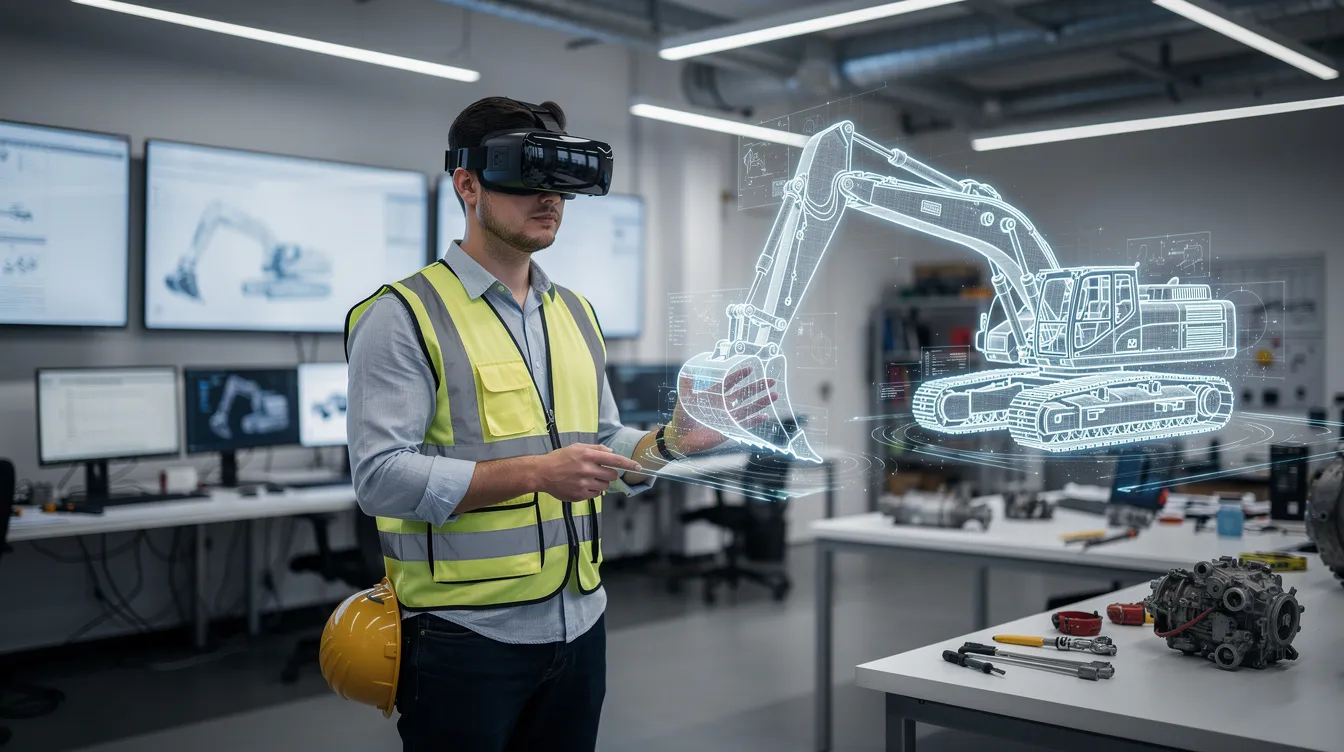
Construction VR tools are virtual reality systems used to review and refine construction technology products before they reach a jobsite. In this context, the key shift isn’t flashy visualization for its own sake. It is earlier decision-making.
Construction Executive reported on October 22, 2026, that Milwaukee Tool uses virtual reality in its product development process to help teams evaluate ideas, identify potential challenges, and make informed decisions before building physical prototypes. The same report said VR allows designers, engineers, and product managers to experience products at full scale, evaluate usability, and look for improvements before investing in tooling and production.
For contractors in Greater Austin, Round Rock, San Marcos, Waco, and along the I-35 corridor, that matters because more vendors are presenting products as “VR-designed” or “VR-tested.” The practical question is not whether the demo looks impressive. It is whether the product was improved in ways that will matter to crews, supervisors, and owners once the tool is used in real conditions.
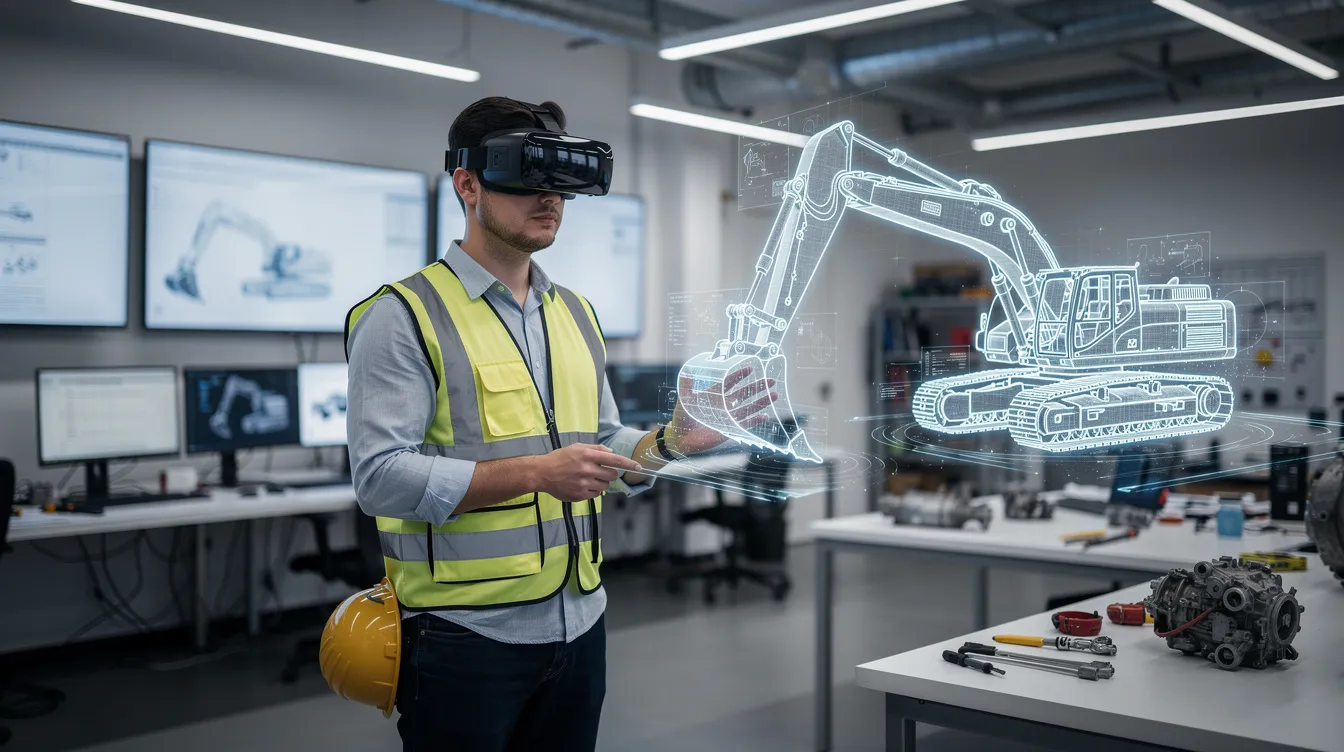
From Concept Review to Prototype: Where VR Fits in Product Development
A traditional product-development cycle often moves from sketches and digital models to physical prototypes, revisions, and field testing. Virtual reality can add value in the middle of that process by giving teams a more realistic way to review an idea before they spend more money building it.
According to Construction Executive’s October 2026 reporting on Milwaukee Tool, VR gives cross-functional teams a shared environment to interact with a concept at full scale. That can make it easier to discuss usability, proportions, reach, visibility, and overall design direction earlier in development.
For contractors evaluating new contech products, that matters because earlier review can lead to more thoughtful refinement before a product ever appears in a sales meeting or pilot. It doesn’t prove the product will perform well on your jobsite, but it can indicate the manufacturer took design review seriously before moving into production.
Examples of the kinds of questions a VR review may help a product team explore include:
- Can users understand the layout and controls at full scale?
- Does the product appear comfortable and practical for repeated use?
- Are there obvious visibility, access, or ergonomics concerns to address before tooling begins?
- Can designers, engineers, and product managers react to the same concept together instead of reviewing it only through drawings or static screens?
Those are useful early-stage questions. They are also only part of the process.
What Virtual Reality Can Help Teams Evaluate Early
When used well, construction VR tools can help product teams make earlier decisions about how a product looks, feels, and functions in broad terms. The strongest support in the approved source is around full-scale review, usability evaluation, and cross-team alignment.
That means VR may be useful for early review of issues such as:
- Scale and proportion. Teams can assess whether a concept feels appropriately sized before physical fabrication begins.
- Usability. Reviewers can look for awkward layouts, confusing interactions, or design choices that may need improvement.
- Ergonomic concerns. A virtual review may help surface whether a product’s form factor appears uncomfortable or impractical, even though final ergonomic judgment still requires physical testing.
- Cross-functional alignment. Designers, engineers, and product leaders can react to the same concept in a shared immersive setting rather than in separate reviews.
For Central Texas contractors, the takeaway is simple: if a vendor says VR shaped the product, ask what the team learned during that stage and what design decisions changed because of it.
What VR Cannot Replace in Construction Product Testing
Virtual reality can strengthen early development decisions, but it is not a substitute for physical validation. Construction Executive made this clear in its October 22, 2026 article: at Milwaukee Tool, product development still includes extensive prototyping, internal testing, and field evaluations.
That distinction matters for contractors. A headset review cannot fully answer how a product will hold up when it is exposed to dust, impacts, weather, repeated handling, charging cycles, or the pace of a real commercial jobsite. It also cannot replace user feedback gathered when working professionals put a product through actual tasks.
Questions that still require real-world testing include:
- How durable is the product after repeated use and rough handling?
- How does it perform during long shifts and in changing site conditions?
- Does the grip, weight, or balance still work well after extended field use?
- What problems only appear once crews begin using it on active projects?
For contractors in Central Texas, the safest interpretation is to view VR as one stage in a larger development process. The more important proof still comes from prototyping, testing, refinement, and field feedback.
How VR Relates to Safety and Training
Some vendors also discuss virtual reality in connection with safety or training. That can be useful, but it needs careful framing.
OSHA said in its August 10, 2020 interpretation letter on virtual reality safety training that whether online or VR-based training is adequate depends on the facts of each case. OSHA also said effective safety and health training should include hands-on instruction and exercises, and that sole reliance on online or virtual reality-based programs may not provide required site- or job-specific training.
That means contractors should avoid assuming a product’s VR demo, or even a VR training module, satisfies all practical or compliance needs on its own. If a product affects safe work practices, crews still need real instruction, real supervision, and any site-specific training the job requires.
This is especially important for member companies balancing innovation with field discipline. ABC Central Texas contractors can explore new tools, but they should still connect technology decisions back to practical safety expectations and resources such as construction safety education.
How Central Texas Contractors Should Read Vendor VR Claims
“Built with VR” can be meaningful, but only if the claim points to a real design process. Contractors should treat it as a starting point for questions, not as proof of jobsite performance.
A useful VR-backed development story usually includes three elements:
- Early concept review. The team used VR before locking in final production decisions.
- Specific changes. The vendor can explain what the team adjusted after virtual review.
- Follow-through. The product still went through physical prototypes, internal testing, and field evaluation.
If a vendor cannot explain what changed because of VR, the headset may have been more presentation than development.
For Central Texas buyers, especially those managing fast-moving commercial, industrial, and institutional work, that distinction matters. A polished demo is easy to stage. A disciplined development process is harder to fake.
Questions to Ask During a Contech Demo
When a manufacturer says VR was part of the development process, these questions can help separate substance from marketing:
- At what stage did your team start using VR?
- Who participated in those VR reviews: designers only, or also end users and field-focused stakeholders?
- What changed because of feedback from the virtual review?
- What physical prototyping came next?
- What internal testing and field evaluations followed before launch?
- What feedback from working users changed the final product?
- If the product touches training or safety, what hands-on or site-specific support does the contractor still need to provide?
These questions keep the conversation centered on product quality, not just presentation quality.
A Practical Checklist for Your Next Technology Review
Use this short checklist when evaluating construction VR tools or any contech product marketed around VR-informed design:
- Ask for the development timeline. Find out whether VR was used early enough to influence design decisions.
- Ask what changed. Look for concrete examples of revisions made after VR review.
- Ask what came after VR. Confirm that physical prototypes, internal testing, and field evaluations followed.
- Ask who tested it. Determine whether working professionals helped shape the product before launch.
- Ask where it still needs validation. Do not assume virtual review answers every durability, usability, or safety question.
- Compare claims with your own workflow. Consider whether the product fits the way your crews actually work across Central Texas projects.
Contractors can also compare these insights with broader chapter discussions around digital adoption and construction technology decision-making before making a larger commitment.
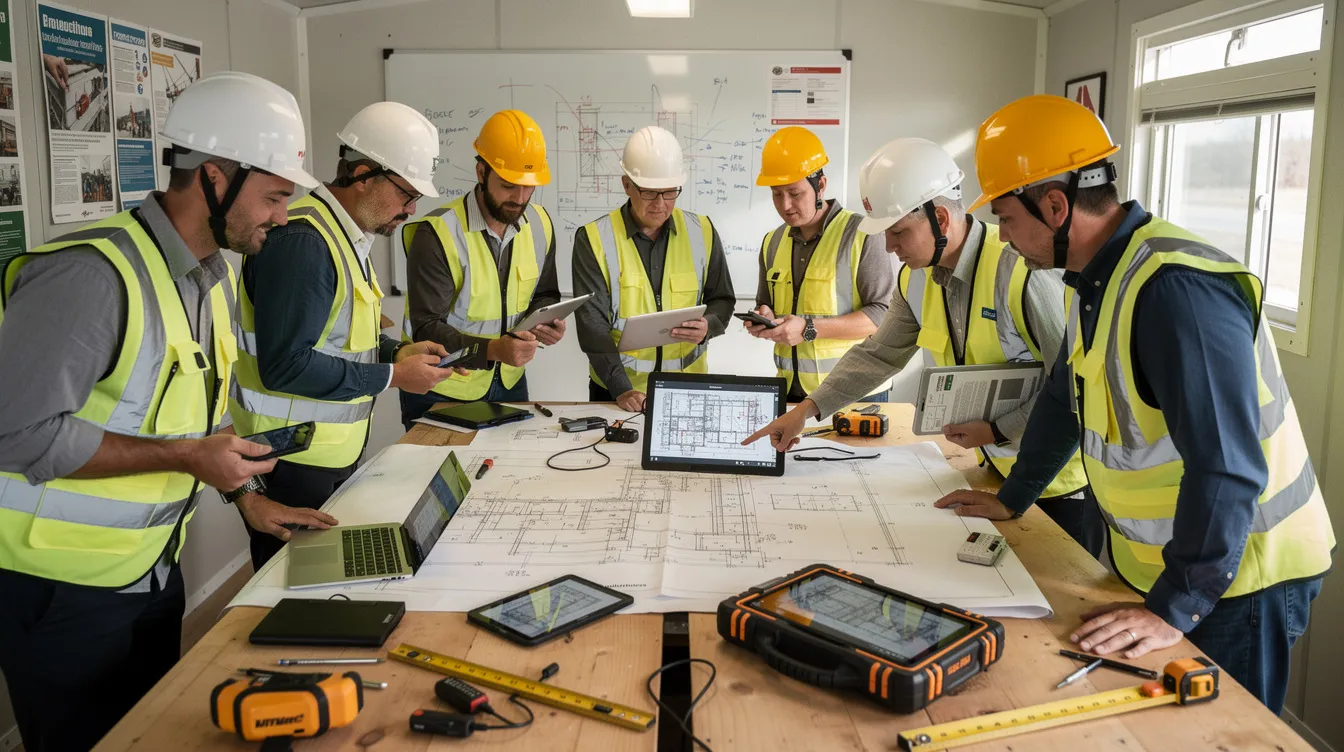
How ABC Central Texas Can Help Members Evaluate Emerging Technology
ABC Central Texas serves merit shop contractors across Greater Austin, the I-35 corridor, Waco, and surrounding markets. For members evaluating emerging tools, the chapter offers a real advantage: education, safety programming, workforce development, and peer connections that help companies test claims against real operating needs.
That support matters because you shouldn’t make every technology decision based on a booth demo or a sales deck. Contractors often get better results when they compare products against field conditions, training realities, and implementation demands that peers in the region are already navigating.
If your company is weighing new tools, platforms, or equipment, a practical next step is to bring your questions into chapter conversations, safety discussions, or member education settings where technology decisions can be viewed through the lens of productivity, risk, and workforce fit.
FAQ: Construction VR Tools and Product Development
Below are answers to common questions contractors may have about this topic.
Are construction VR tools only relevant to large manufacturers?
No. The strongest direct use case in this article is product development by manufacturers, but contractors still benefit when the products they buy have gone through better early review. Even if your company never uses VR internally, you can still use the right questions to evaluate whether a vendor used it in a meaningful way.
Does VR-based design mean a product is proven in the field?
No. It may suggest the manufacturer invested in early usability and design review, but it does not replace prototyping, internal testing, or field evaluations. Contractors should still ask for evidence of real-world validation.
Can VR replace safety training on a construction site?
No. OSHA’s August 10, 2020 interpretation makes clear that adequacy depends on the situation and that relying solely on online or virtual reality-based programs may not provide the necessary site- or job-specific training. Hands-on and site-specific instruction still matter.
What is the biggest red flag in a vendor’s VR claim?
If the vendor can describe the demo but cannot explain what changed because of VR review, that is a warning sign. A meaningful process should lead to real design decisions, not just a polished presentation.
What should Central Texas contractors do next?
Choose one upcoming product or platform review and use the question list in this article during the demo or evaluation process. Then compare what you hear with the realities of your own crews, schedules, and jobsites before making a purchasing decision.