
Key Takeaways
- ABC became the first nationally certified Recovery Friendly Association in the United States, earning recognition at a White House Recovery Month event. For Central Texas contractors, that recognition puts jobsite recovery-friendly culture in sharper focus as the construction industry changes how it approaches substance use disorder and worker well-being on active jobsites.
- A jobsite recovery-friendly culture means treating substance use disorder as a treatable health condition, not just a disciplinary issue. It involves respectful language, clear paths to help, trained supervisors, and policies that combine compassion with clear accountability expectations.
- Central Texas contractors operating across Austin, Round Rock, San Marcos, Waco, and the I-35 corridor can connect recovery-friendly practices directly to workforce retention, fewer disruptions, and stronger safety compliance on fast-moving projects.
- ABC Central Texas’s Total Human Health framing and safety programs offer a practical starting point for integrating recovery-friendly elements into existing safety systems without building an entirely new program.
- This article provides a concrete checklist and next steps that company leaders and safety professionals can use this month to begin aligning their operations with ABC’s recovery-friendly commitment.
Why ABC’s Recovery-Friendly Recognition Matters for Jobsites Now
In 2024, Associated Builders and Contractors participated in a White House Office of National Drug Control Policy Recovery Month event as the first building and construction association in the country to earn Certification as a Recovery-Friendly Workplace from the National Recovery Friendly Workplace Institute. As reported by Construction Executive, ABC’s recognition reflects collaboration among the organization’s human resources, health and safety, and workforce development teams, signaling that a jobsite recovery-friendly culture is now a priority at the highest levels of construction industry leadership.
This is not a generic wellness initiative. It is a formal national certification focused on how workplaces support employees dealing with substance use disorder, their families, and the broader construction workforce affected by these challenges. The certification framework addresses hiring, retention, benefits, education, and culture, all evaluated by an external certifying body.
The stakes are significant. Construction has the second-highest suicide rate of any industry in the United States, with approximately 53 to 56 male construction workers per 100,000 dying by suicide annually, far above the national average and roughly four times the rate for workers in the general population. Meanwhile, 94% of construction workers cite work-related stress as a major factor in their daily lives, and an estimated 15% of construction workers have a substance use disorder. These numbers make clear that a jobsite recovery-friendly culture is not optional; it is an occupational safety issue tied directly to who shows up on your project tomorrow and whether they can work safely.
The sections that follow translate this national recognition into practical steps for Central Texas contractors working on real projects.

What a Recovery-Friendly Workplace Certification Actually Means
A recovery-friendly workplace recognizes substance use and substance use disorder as treatable health conditions and offers structured support rather than stigma or automatic termination. Equitable policies distinguish between punitive actions and voluntary assistance, giving workers a real pathway to treatment and return to work instead of a one-strike exit.
ABC’s certification commitment, as described in its national news releases, includes reducing stigma around substance abuse, helping employers provide access to recovery resources, and coordinating across HR, safety, and workforce development teams. Employers must coordinate policies with applicable federal and state laws, ensuring that support programs do not conflict with safety-critical drug testing requirements or fit-for-duty obligations.
What this certification does not do is equally important. It does not turn contractors into treatment providers. It does not override workplace safety standards or excuse unsafe behavior. It does not replace a drug-free workplace program. Instead, it adds a structured layer of support that keeps experienced workers engaged and productive.
ABC framed this effort as part of its Total Human Health Initiative, which addresses the whole worker across body, heart, mind, and soul. The national certification standards and application details continue to evolve under ABC National and the National Recovery Friendly Workplace Institute, so contractors should treat the certification as a framework and signal of best practice, not a rigid checklist.
From Policy to Practice: What Jobsite Recovery-Friendly Culture Looks Like
On an active jobsite, recovery-friendly culture shows up in daily behavior, not just in an HR manual. It means employing non-stigmatizing language that encourages open discussions about recovery. It means foremen and superintendents who avoid jokes about substance use issues and instead speak in terms of health and support. Recovery-friendly workplaces emphasize employee dignity and respect in every interaction.
Specific behaviors that define this culture include:
- Pulling a worker aside privately when there are safety concerns instead of calling them out in front of the crew
- Knowing who to call when someone says they are struggling or in recovery
- Posting visible information about EAPs, local mental health resources, and recovery support on safety boards
- Using stigma-free communication that relies on respectful, non-judgmental language
Recovery-friendly policies combine compassion with clear accountability expectations. A supportive environment fosters stability for workers in recovery while maintaining the same fit-for-duty standards every crew member follows. In construction, this means tightly integrating recovery support with existing safety systems: incident investigations, corrective action processes, and pre-task planning must reflect these values.
Consider a superintendent who notices a crew member’s attendance dropping and performance declining. Instead of starting discipline, the supervisor has a private conversation, offers a referral to the company’s support program, and temporarily adjusts tasks. That worker returns fully engaged, and the project keeps an experienced professional instead of absorbing the cost of replacement and retraining.
Why This Matters for Central Texas Contractors and Project Delivery
Rapid growth across Greater Austin, Round Rock, San Marcos, Waco, and the I-35 corridor intensifies schedule pressure, overtime, and travel for the construction workforce. Several factors compound the risk: long hours, physical demands, financial stress, and the isolation of moving between projects. These are exactly the conditions that worsen substance use and mental health concerns across the industry.
Recovery-friendly cultures can lead to measurable improvements in workforce outcomes. Supported workers in recovery miss fewer days than those without support, and fewer unscheduled leave days are reported among employees in recovery compared to those navigating substance use issues alone. Employers can save costs through reduced turnover and absenteeism rates while preserving the trade experience that takes years to develop.
In a tight labor market, 77% of construction CEOs prioritize addressing mental health at work, recognizing that worker mental health directly affects project timelines, crew reliability, and business performance. Supporting recovery reduces turnover and enhances employee loyalty, keeping skilled craft professionals on projects where their experience matters most.
Central Texas contractors also benefit from proximity to the Texas Capitol and active workforce-policy conversations. Aligning with nationally recognized recovery-friendly practices positions companies as part of a modern, merit shop safety and workforce development strategy. As contract owners and insurance carriers increasingly weigh safety culture in bid evaluations, recovery-friendly credentials may become a differentiator.
Connecting Recovery-Friendly Culture to Construction Safety and Mental Health
Addressing mental health and substance use as part of a broader construction safety system, rather than treating them as separate HR topics, is the foundation of an effective jobsite recovery-friendly culture. Mental health awareness on construction sites is not a luxury; it is a safety requirement. OSHA urges employers to include mental health in safety programs, and the data supports it.
In 2020, 14.3% of construction workers reported struggling with anxiety. Globally, 12 billion working days are lost annually due to depression and anxiety, and that drag on productivity hits the construction industry especially hard. Workers self-medicating pain or stress with opioids or alcohol creates compounding risk: substance use raises the chance of workplace injuries, and injuries increase the likelihood of substance use.
Ways a recovery-friendly culture directly improves safety communication:
- Workers feel able to speak up about fatigue, pain, or stress without fear of being labeled, because psychological safety allows employees to request help without fear of repercussion
- Supervisors catch warning signs earlier and guide workers toward help before incidents occur
- Workplaces that support recovery see improved morale and peer connections, strengthening crew cohesion
- Job sites with recovery-friendly cultures experience better safety compliance across the board
Treating mental health issues and substance use recovery as supported paths rather than career-ending admissions lowers stigma and makes it more likely that workers will seek help before a safety incident occurs.
Supervisor Readiness: Equipping Field Leaders for Recovery Conversations
Supervisors, foremen, and general foremen are the critical link between high-level recovery-friendly policies and what workers actually experience on the jobsite. Effective recovery-friendly policies require leadership commitment and proper training at every level. Leadership commitment normalizes seeking help without fear of termination, and field leaders must deliver that message consistently.
Psychological safety lets employees ask for help without fear of repercussions, but only if the person they approach knows how to respond. Strict privacy protocols protect personal health and recovery information, and supervisors must understand those boundaries.
Training objectives for field leaders should include:
- Recognizing behavioral changes: Mood swings, absenteeism, slowed reaction times, and visible impairment that may signal mental health concerns or substance use issues
- Conducting private, nonjudgmental conversations: How to pull a worker aside, express concern, and offer resources without shaming
- Knowing fit-for-duty boundaries: When to remove someone from a task for safety while still offering support and connecting them to resources
- Understanding the escalation path: Who in HR or leadership to contact, what benefit and support programs exist, and how return-to-work agreements function
- Maintaining confidentiality: Respecting privacy while complying with legal and safety obligations
- Role-modeling safe behavior: Demonstrating that seeking help is an act of strength, not weakness
Training should not teach supervisors to diagnose conditions. It should teach them to manage safety and connect workers to qualified resources while respecting privacy and company policy.
Using Safety Systems to Support Recovery-Friendly Workplaces
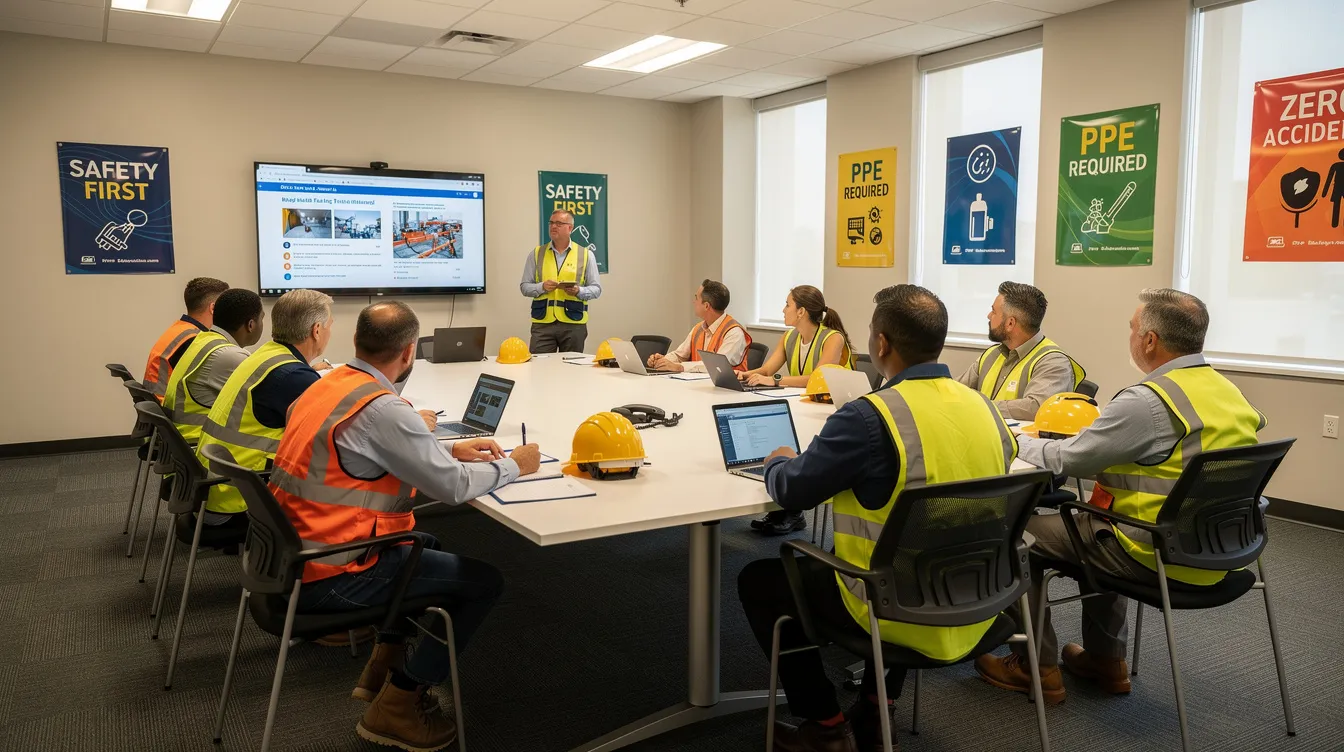
Existing safety systems, including STEP participation, job hazard analyses, incident investigations, and safety observations, can integrate recovery-friendly elements without requiring an entirely new program. Structured routines in recovery programs help stabilize individuals in recovery, and contractors can embed those routines in the safety processes they already run.
Integration points safety professionals should review during their next program audit:
- Toolbox talks and pre-task planning: Include topics on recovery support, stress, pain management, and mental health resources alongside fall protection, heat illness, and other standard subjects
- Safety orientation: Introduce recovery resources, EAP information, and culture expectations during new hire onboarding
- Incident investigations: Beyond technical failures, assess whether psychosocial factors like workload, untreated pain, or mental health strain contributed to the event
- Safety committee agendas: Add periodic review of mental health and substance use risk, follow-ups on resource utilization, and peer support options
- Documentation alignment: Ensure that employee handbooks, jobsite rulebooks, orientation slides, and safety manuals all describe the same recovery-support options and fit-for-duty expectations
Consistency matters. When policies say one thing, and the jobsite environment communicates another, workers will default to what they see, not what they read. Making recovery support visible at the field level is what turns a policy into a culture.
Practical Steps: A Short Checklist for Recovery-Friendly Jobsites
Use this checklist as a starting point for discussion with your safety team or project managers this week:
- Review substance use policies for recovery-support language. Do they offer return-to-work agreements, or only termination? Equitable policies should distinguish between discipline and voluntary assistance.
- Confirm supervisor escalation paths. Does every foreman know who to call and what to say when a worker asks for help?
- Make resources visible. Post EAP contact information, local mental health resources, and recovery support numbers on safety boards at every jobsite. Employers should ensure treatment resources are easy to access and understand. Access to resources improves employee mental health and morale.
- Plan at least one toolbox talk on recovery support or mental health awareness this quarter.
- Coordinate with drug-free workplace commitments. Safety-critical testing stays in place. Flexible work arrangements help manage recovery while maintaining employment, and return-to-work plans can coexist with fit-for-duty requirements.
- Assign ownership. Designate a single accountable leader or small task group to own recovery-friendly implementation and track progress over the next 6 to 12 months.
- Promote inclusive environments. Employers should promote alcohol-free social events to create inclusive environments for employees in recovery.
How ABC Central Texas Can Support Recovery-Friendly Workplaces
ABC Central Texas already promotes a proactive safety approach and Total Human Health through its safety programs, covering body, heart, mind, and soul. Holistic support systems provide accessible pathways to healthcare benefits and resources, and the chapter’s existing training infrastructure offers contractors a practical starting point.
Members can access these resources by engaging in safety training that includes mental health and substance use elements, participating in safety roundtables, and using model policies and toolbox talk materials focused on construction safety culture and mental health. Peer support networks strengthen connections among employees in recovery, and ABC Central Texas committees and events give construction industry leaders opportunities to share what is working in their organizations.
Exploring construction association membership benefits is a natural next step for contractors who want access to education, peer examples, advocacy, and the tools needed to build recovery-friendly practices. Contact ABC Central Texas staff to discuss integrating recovery-friendly elements into your upcoming training or safety-planning cycles.
Addressing Mental Health and Substance Use in Toolbox Talks
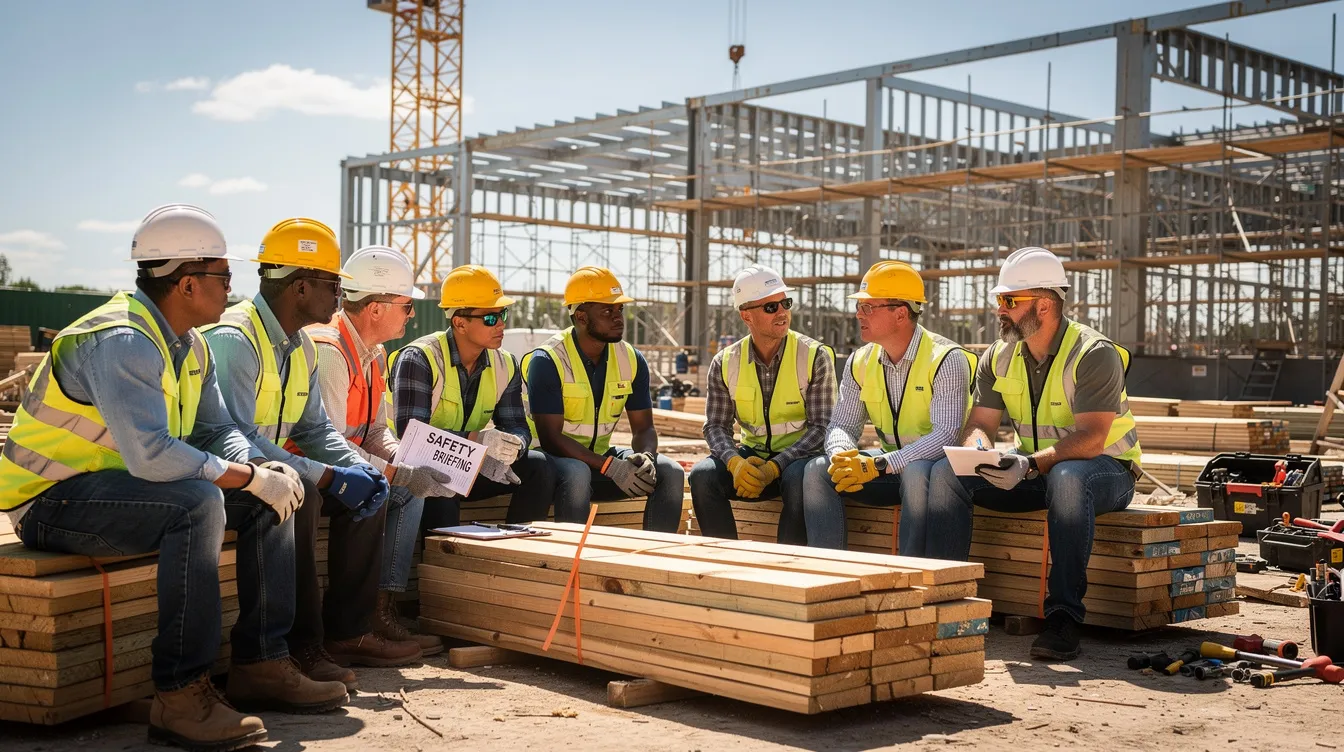
Toolbox talks are one of the most effective and lowest-cost ways to normalize conversations about worker mental health, substance use, and recovery on active jobsites. Because they happen regularly and involve the entire crew, they gradually shift workplace culture from silence to openness. Open communication reduces stress and promotes workplace authenticity.
Practical toolbox talk topics for a recovery-friendly approach:
- Recognizing early signs of strain: Fatigue, mood changes, withdrawal from the crew. Frame speaking up as a proactive safety action, not a personal weakness.
- How to ask for help: Walk through the specific steps a worker can take to reach the EAP, a supervisor, or a peer support contact. Keep it concrete.
- Respecting co-workers in recovery: Use plain language and short real-world examples. Explain why stigma-free communication matters for crew trust and safety.
- Where to find confidential resources: List the phone numbers, websites, or contacts available. Make sure every worker leaves the talk knowing at least one path to help.
Include substance use and recovery messages alongside more familiar topics like fall protection or heat illness so they become part of the regular safety environment. Ninety-four percent of construction workers agree on sharing mental health resources at work, which means the appetite for these conversations is already there. Most crews just need a leader willing to start.
FAQ: Jobsite Recovery-Friendly Culture in Construction
The following questions address common concerns Central Texas contractors and safety professionals may have about building a jobsite recovery-friendly culture.
How is a jobsite recovery-friendly culture different from a traditional drug-free workplace program?
Both prioritize worker safety and fit-for-duty standards, but a recovery-friendly culture goes further. Instead of relying solely on discipline and termination, it provides structured support, clear paths to treatment, and reduced stigma. A recovery-friendly workplace provides a supportive environment that helps workers in recovery stay stable. Contractors do not have to abandon drug-free policies; they add recovery-support options that keep experienced workers engaged while still protecting co-workers and the public.
Does supporting recovery mean lowering safety or performance standards on my projects?
No. Recovery-friendly workplaces maintain the same safety-critical standards, including removing impaired workers from safety-sensitive tasks when needed. The change is in how companies respond. Combining corrective action with referrals, job protection during treatment, or return-to-work plans replaces a purely punitive approach. The focus stays on prevention and accountability.
What role do safety professionals play versus HR when addressing substance use and recovery?
Safety professionals handle immediate hazard control, documentation, and ensuring fit-for-duty on the jobsite. Human resources manages policy design, benefits coordination, confidentiality, and long-term employment decisions. Both groups need a shared escalation process so workers receive consistent messaging and support from the organization.
How can small subcontractors with limited HR staff participate in recovery-friendly practices?
Start with scalable actions: adopt a clear written policy, post local and national help resources on your safety board, identify one internal point person, and integrate one or two recovery-focused toolbox talks each quarter. Smaller firms can lean on ABC Central Texas training and model materials rather than building full programs from scratch.
Where should Central Texas contractors start if they want to align with ABC’s recovery-friendly commitment?
Begin with a quick internal review of substance use policies, supervisor training content, and how resources are communicated on jobsites. Ask whether your current approach is visible and usable at the field level, not just documented in an HR binder. Then reach out to ABC Central Texas for guidance on aligning these efforts with broader construction safety culture and mental health initiatives, as well as ABC National’s emerging recovery-friendly workplace framework.