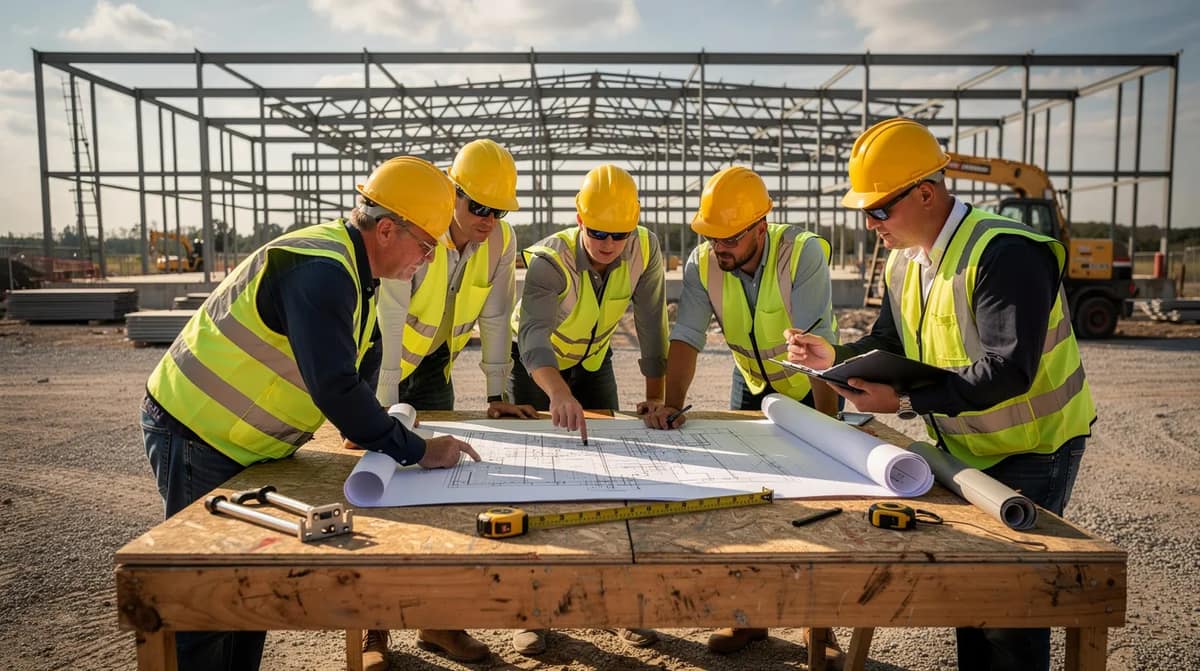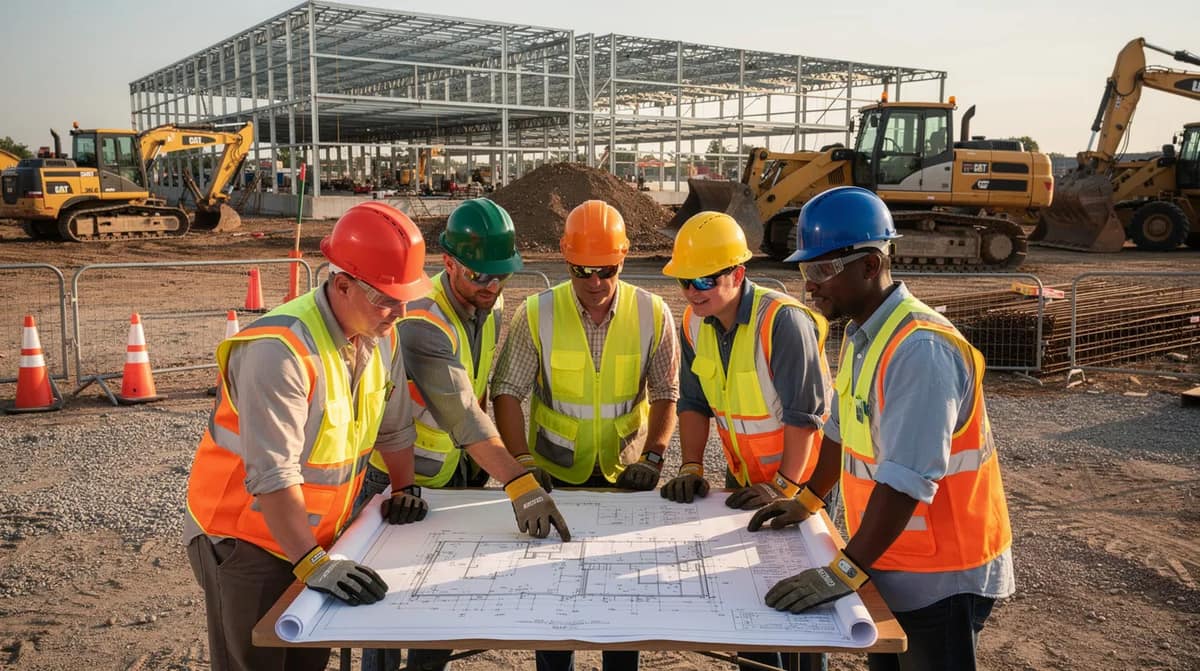


The Theodore Roosevelt Presidential Library remains a useful case study for Central Texas contractors because it shows what complex, high-visibility construction demands in planning, coordination, and project controls. Built by a nonprofit foundation in Medora, North Dakota, the project ties ambitious design and public expectations to practical execution realities: remote access, climate pressure, sustainability goals, and constant scrutiny over progress and stewardship.
Key Takeaways
The Theodore Roosevelt Presidential Library Foundation is the nonprofit building the library in the North Dakota Badlands, and the Foundation publicly frames the project around conservation, leadership, and citizenship. For contractors in Greater Austin, along the I-35 corridor, and across Central Texas, the project is a strong example of how landmark work raises the bar on logistics, coordination, owner communication, and schedule discipline.
Here is what Central Texas builders can take from it:
- Remote access and severe weather increased the importance of early planning, material sequencing, and contingency thinking.
- The project’s design and sustainability ambitions highlight how complex work requires tighter coordination across structure, building systems, and site development.
- Because the owner is a nonprofit with strong public interest around the project, documentation and milestone communication matter as much as field production.
- For merit shop contractors, the clearest lesson is that highly visible work rewards teams that can demonstrate capability, preparation, and disciplined execution.
- Those lessons map well to landmark, institutional, civic, and technically demanding projects in Central Texas.
Why the Theodore Roosevelt Presidential Library Matters to Merit Shop Contractors
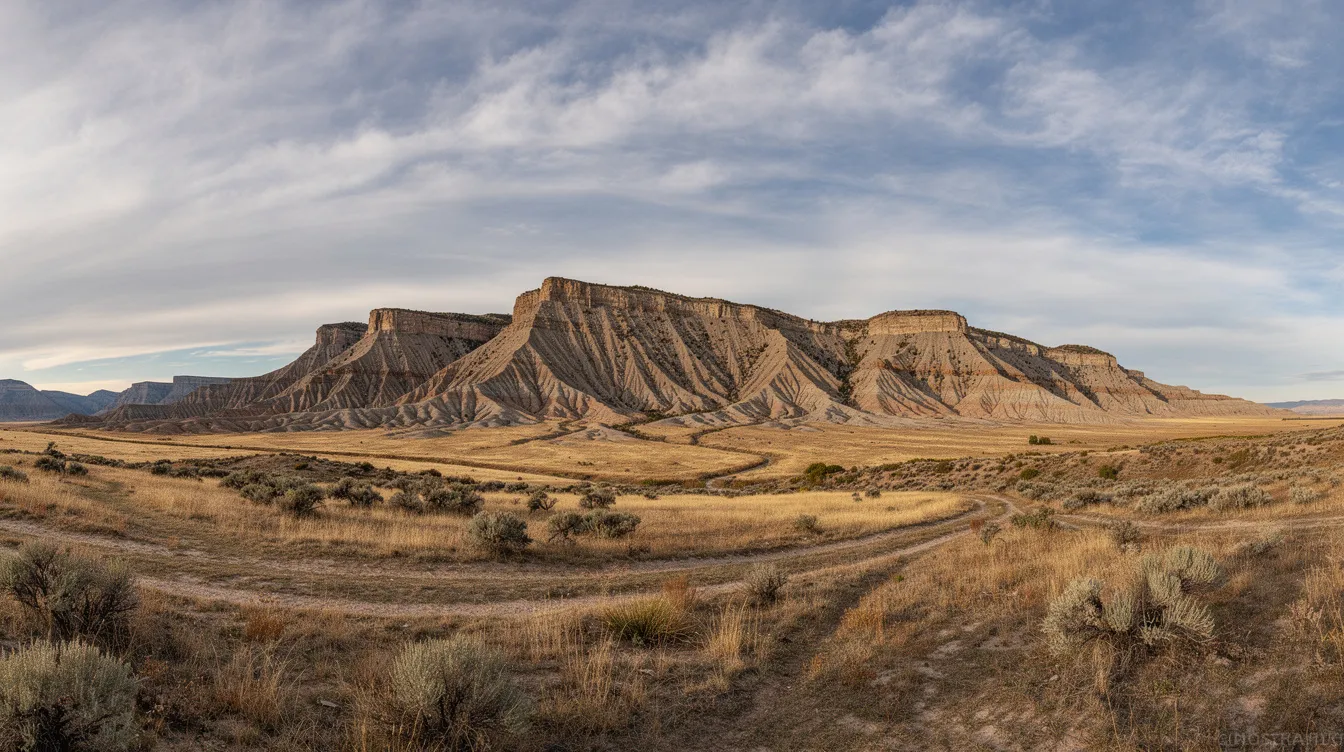
The Theodore Roosevelt Presidential Library is an architecturally significant cultural project in Medora, North Dakota. The Theodore Roosevelt Presidential Library Foundation describes itself as the nonprofit building the library in the Badlands that shaped Roosevelt, connecting the project to themes of conservation, leadership, and citizenship. Even without treating the project as a direct model for every jobsite, contractors can study it as a live example of how demanding owners and complex conditions influence delivery.
That is relevant in Central Texas. Contractors in Austin, Round Rock, San Marcos, Waco, and along the I-35 corridor are pursuing more technically demanding work while facing tighter schedules, labor competition, and growing owner expectations. A project like this matters not because it proves one labor model is automatically better than another, but because it shows how much execution depends on readiness before crews mobilize.
For ABC Central Texas readers, that fits the chapter’s broader merit shop message: open competition works best when firms pair it with training, strong supervision, and clear project controls.
Inside the Project: Design Ambition and Performance Expectations
The Foundation presents the library as a destination tied closely to the surrounding landscape, not a conventional stand-alone building. Its public project materials also emphasize sustainability, restoration, and long-term stewardship. Those priorities tend to expand the contractor’s job well beyond basic schedule and budget performance.
On projects like this, design ambition usually increases coordination pressure in several ways:
- Architectural intent leaves less tolerance for field improvisation.
- Building systems must align with both performance targets and visitor experience goals.
- Site work, landscape work, and building work have to be sequenced as one integrated effort.
For Central Texas contractors, the lesson is practical. The more a project asks for visible quality, sustainability, and public accountability, the more value shifts toward early trade involvement, model-based coordination where appropriate, and realistic procurement planning.
Remote Site and Harsh Conditions: Logistics Lessons for Any Merit Shop Contractor
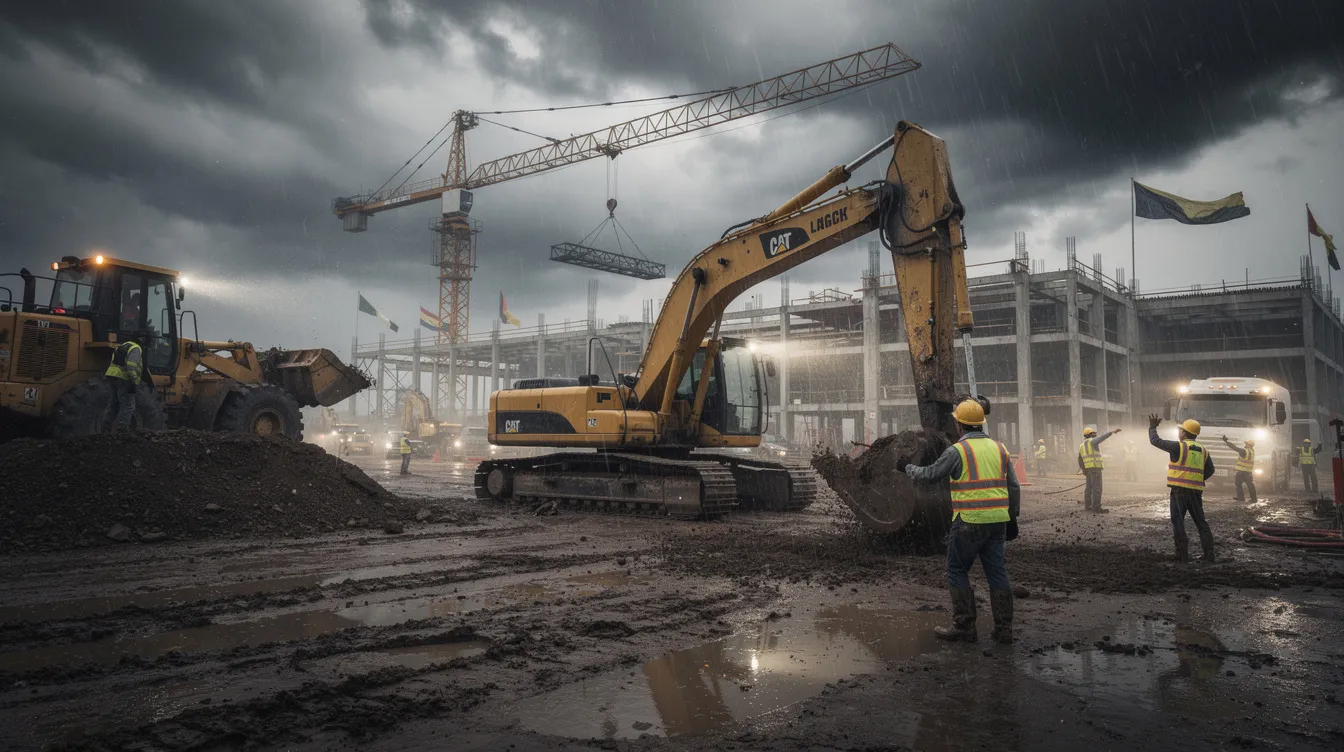
One reason this project stands out is location. Building in the North Dakota Badlands is not the same as building in an urban or suburban Texas market. Access, staging, weather exposure, and material timing all become more important when the site gives the team less margin for error.
That does not mean Central Texas contractors face the same conditions. It means the discipline transfers. In North Dakota, winter and remoteness can shape delivery strategy. In Central Texas, the pressure may come from heat, storm events, constrained downtown sites, rural access limitations, or traffic-choked delivery routes along the corridor. Different conditions, same management principle: site realities should shape the plan early.
Useful takeaways for estimators and project managers include:
- Build weather and access assumptions into schedules instead of treating them as afterthoughts.
- Pre-plan delivery sequencing, storage, and material protection before mobilization.
- Stress-test long-lead items and specialty scopes against the actual site context.
That kind of discipline can matter just as much on a constrained Austin institutional project or a Waco industrial site as it does on a remote cultural project in the Badlands.
Trade Coordination and Specialty Scope Pressure
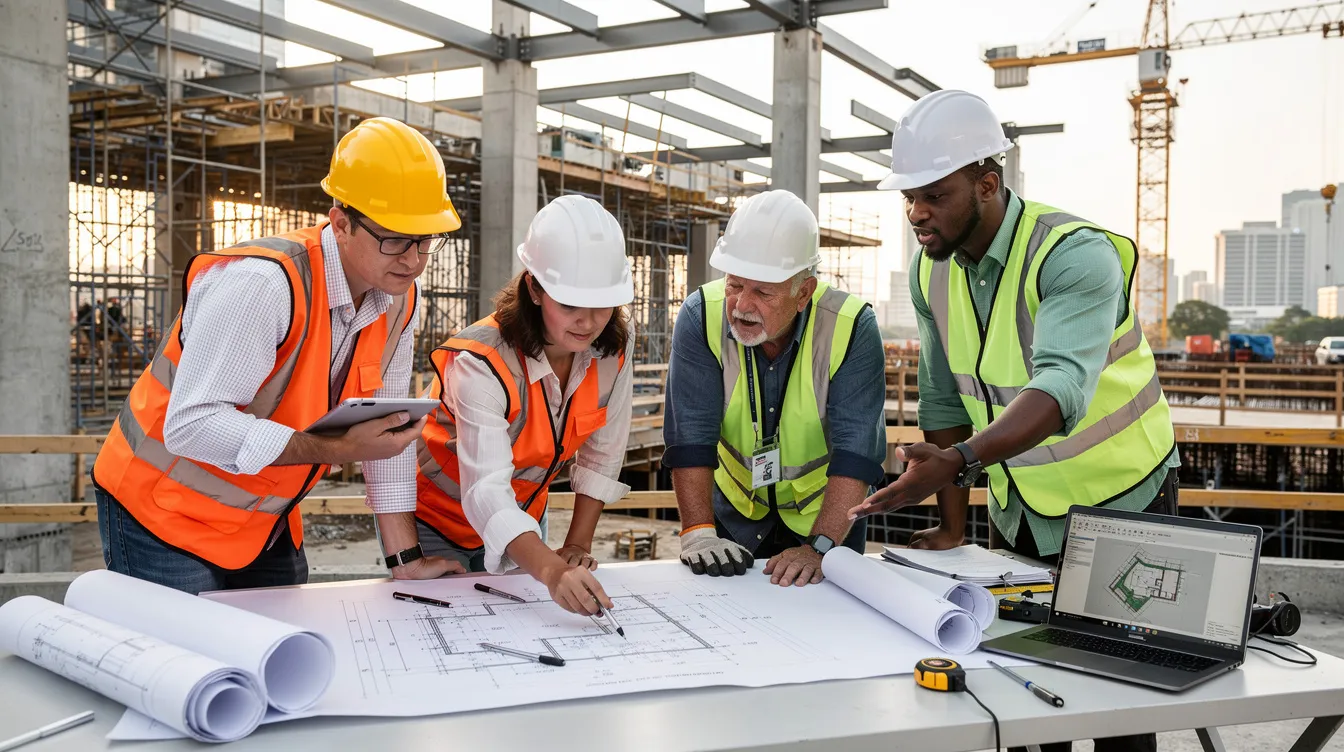
Landmark projects are rarely difficult for only one reason. They become difficult because structure, envelope, systems, finishes, technology, and site work all demand one another. The Theodore Roosevelt Presidential Library is a useful case study because its public-facing mission and design standards likely leave little appetite for visible rework or coordination failures.
That is where complex jobs separate strong teams from merely busy ones. Contractors need reliable handoffs between trades, realistic look-ahead planning, and a field leadership team that can solve interface problems before they become schedule problems.
For Central Texas builders, the pressure points will feel familiar:
- Structure and envelope sequencing on buildings with tight exterior tolerances.
- Mechanical, electrical, and plumbing routing through architecturally sensitive spaces.
- Technology integration in public-facing, educational, healthcare, or mission-critical environments.
- Site packages that depend on narrow weather windows or owner-driven occupancy deadlines.
This is also where merit shop contractors can make a credible case: not through unsupported general claims, but by showing documented performance, strong coordination habits, and a workforce pipeline that supports increasingly demanding work.
Owner Expectations, Governance, and Public Scrutiny
The Foundation’s public materials emphasize leadership, transparency, and stewardship. Because the owner is a nonprofit building a highly visible destination, the project naturally carries reputational pressure alongside construction pressure. That combination can raise the importance of schedule reporting, change management, and milestone communication.
That governance angle is one of the clearest ways this library differs from a more typical complex-project comparison. Central Texas contractors should pay attention to how nonprofit ownership and public interest can increase a project’s communication burden, even when the core construction challenges look familiar. Many local civic, higher education, healthcare, and donor-supported projects operate under similar expectations. Even when the building type differs, the governance reality is similar: more stakeholders, more scrutiny, and a greater need for clean documentation.
Practical implications for project controls include:
- Clear milestone reporting that owners and nontechnical stakeholders can understand.
- Documented change-management processes tied to cost and schedule impact.
- Regular risk review instead of waiting for field issues to become executive issues.
- Consistent communication that protects trust during inevitable project changes.
That is not unique to this library, but the library makes the point clearly because public interest in the project is part of the job environment.
What Central Texas Contractors Should Apply Now
The main lesson from the Theodore Roosevelt Presidential Library is not that every firm should chase landmark work. It is that more complex projects reward better screening, better preconstruction, and better field discipline.
Before pursuing a high-profile or technically ambitious project, Central Texas contractors should ask:
- Does the team have real experience with constrained, remote, or high-visibility conditions?
- Are schedule assumptions honest about climate, procurement, and owner decision-making?
- Do key trade partners have the coordination depth the job will require?
- Can the company support the reporting and stakeholder communication load as well as the construction load?
A simple preconstruction checklist can help:
- Confirm what parts of the design still carry open risk.
- Map the owner and stakeholder approval structure early.
- Review long-lead procurement and specialty scope availability before final commitment.
- Test sustainability or performance goals against the team’s actual experience.
That kind of go-or-no-go discipline matters most in a fast-moving regional market, where backlog alone can tempt firms into the wrong pursuit.
Applying the Merit Shop Perspective Responsibly
ABC Central Texas advocates for open competition and the merit shop model, and this project best supports that conversation when it stays grounded. The strongest argument is not a broad comparison the evidence does not support. It is that owners on complex projects need access to qualified contractors and skilled workers, and contractors need the freedom to compete by demonstrating safety, training, quality, and execution strength.
For Central Texas merit shop firms, that means proposal positioning should focus on proof:
- Documented safety performance and quality control practices.
- Examples of successful coordination on technically demanding work.
- Investment in workforce development and apprenticeship.
- Realistic scheduling and project-controls capability.
ABC Central Texas supports that positioning through education, apprenticeship, safety resources, and advocacy for open competition across the region.
Next Steps for Central Texas Construction Leaders
The Theodore Roosevelt Presidential Library is a strong reminder that high-profile work magnifies ordinary construction weaknesses. When logistics are difficult, owner expectations are high, and the project carries public meaning, teams cannot rely on reactive management.
One practical next step is to review a recently completed complex project inside your own company and compare it against the issues this library highlights: logistics planning, coordination depth, reporting discipline, and readiness for owner scrutiny. Then decide what needs to change before the next major pursuit.
If workforce depth is part of that answer, investing in an apprenticeship pipeline is one practical move. If pursuit discipline or leadership development is the issue, ABC Central Texas programs and committees offer a natural place to keep the conversation going.
The Medora project is not a blueprint for every Central Texas job. It is something more useful: a current reminder that complex construction rewards firms that prepare early, coordinate well, and communicate clearly when the stakes are high.
Frequently Asked Questions
Below are answers to common questions about this topic.
How can a mid-size Central Texas contractor use lessons from the Theodore Roosevelt Presidential Library?
Mid-size firms do not need to match the library’s scale to benefit from the example. The most transferable lessons are earlier logistics planning, stronger coordination reviews, and more disciplined owner communication on complex jobs.
Does my company need prior museum or cultural-project experience to pursue similar landmark work?
Not necessarily. Owners often evaluate broader capabilities such as coordination, safety, schedule discipline, and documentation quality. Firms can build that track record on healthcare, higher education, industrial, and civic work before pursuing more specialized cultural projects.
Where can I track updates about the Theodore Roosevelt Presidential Library?
The Theodore Roosevelt Presidential Library Foundation’s website includes project and foundation information. Construction Executive also covered the project and may offer broader industry context.
What is one immediate step to improve readiness for a complex merit shop project?
Run a structured post-project review on one recent job. Focus specifically on logistics, coordination, reporting, and owner-management issues, then convert the findings into updated preconstruction and operations checklists.
How does ABC Central Texas support contractors aiming for more complex work?
ABC Central Texas supports merit shop contractors through apprenticeship, education, safety resources, networking, and advocacy for open competition. Those tools help firms build the workforce and operating discipline needed for increasingly demanding projects across Central Texas.