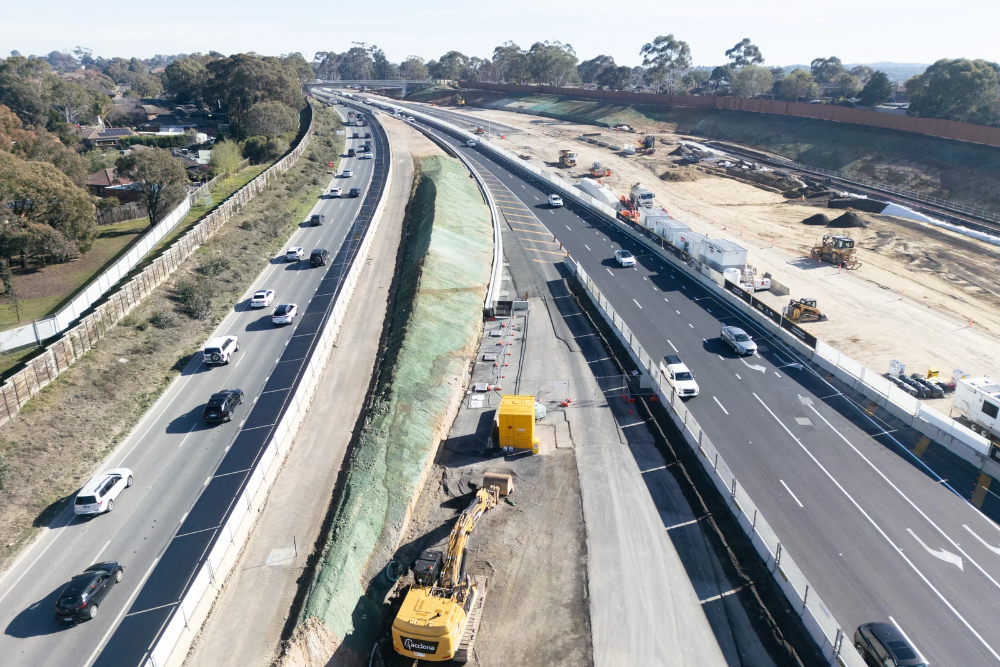


Federal construction permitting delays are not just a Washington policy issue. For contractors bidding and planning work across Greater Austin, Round Rock, San Marcos, Waco, and the I-35 corridor, federal approval timing can affect when projects break ground, how long pricing holds, and how much uncertainty companies must carry in their schedules and contracts.
That is why current permitting reform efforts matter. ABC National has urged the U.S. Senate to advance permitting reform legislation, arguing that redundant delays and permitting uncertainty can lead to cost overruns and project setbacks. At the same time, the White House Council on Environmental Quality has launched technology pilots intended to speed portions of the federal environmental review process. Together, those developments signal that federal permitting remains a live issue for contractors building energy, infrastructure, public, and other federally connected projects.
Key Takeaways
- ABC National is pressing for federal permitting reform that would reduce delays and give contractors more certainty when planning major projects.
- The White House Council on Environmental Quality has also introduced permitting technology pilots, including CE Works, to help agencies complete some NEPA determinations more efficiently.
- For Central Texas contractors, construction permitting delays matter most on projects tied to federal funding, federal land, major infrastructure, environmental review, or multiagency approvals.
- The most practical near-term response is to treat permit timing as a real business risk in pursuit decisions, schedules, and contract language.
- Contractors that want to stay engaged on this issue can monitor ABC Central Texas advocacy resources for policy updates affecting merit shop construction.
Why Construction Permitting Delays Matter in Central Texas
In a fast-moving regional market, timing matters almost as much as volume. A delayed approval can push procurement, stretch bid assumptions, complicate staffing, and force project teams to revisit schedules they thought were settled. That is especially true in a region where construction demand remains active. According to the U.S. Bureau of Labor Statistics, the Austin-Round Rock-San Marcos metro reported 98.5 thousand jobs in mining, logging, and construction in August 2026, up 4.2% from a year earlier.
Not every job in Central Texas depends on a federal review. Many do not. But larger projects involving highways, water infrastructure, energy facilities, federally supported public work, or sites with environmental constraints often face a longer path than a standard local building permit. When those approvals stall, contractors can carry uncertainty for months while owners, agencies, designers, and trade partners wait for the next decision.
That is the operating context behind the current permitting reform debate. For contractors, the issue is not abstract efficiency. It is whether the approval process gives the industry enough predictability to price work, allocate labor, and move projects forward with confidence.
What ABC National Is Asking the Senate to Do
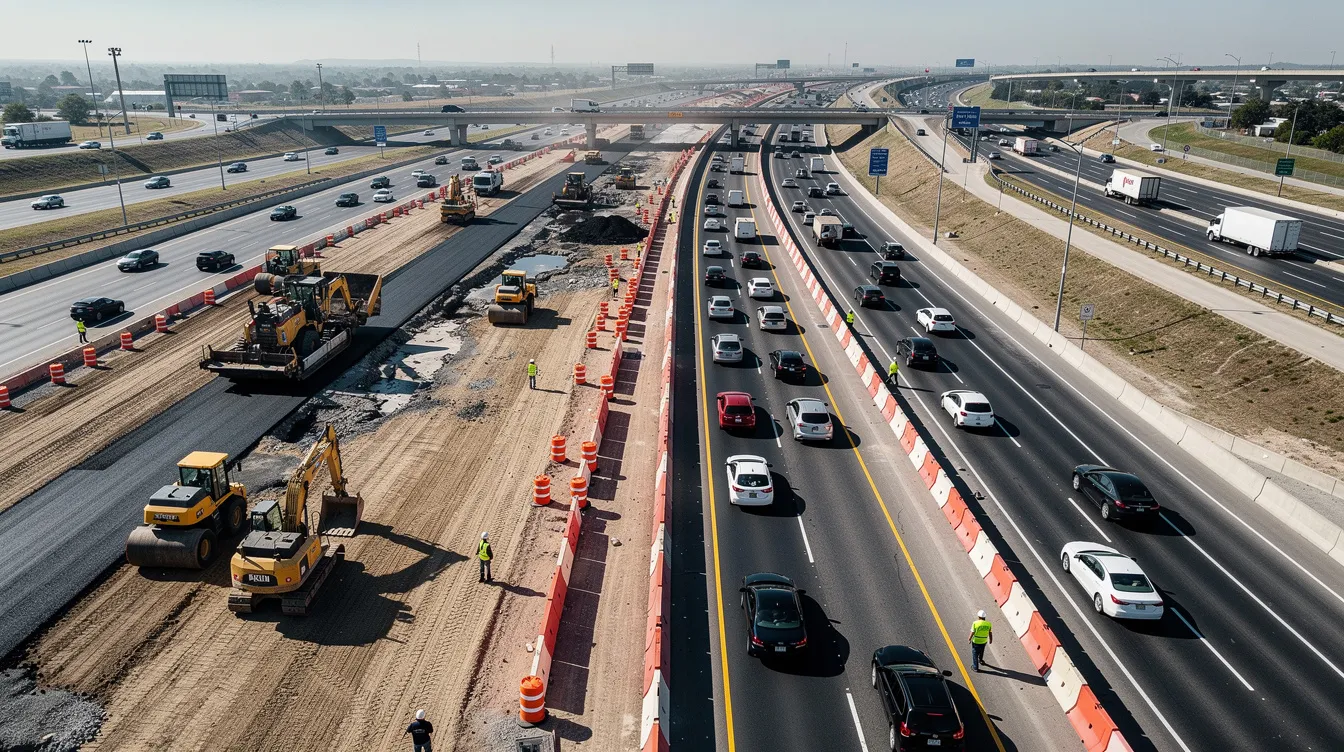
ABC National has publicly urged the Senate to advance federal permitting reform legislation. In ABC’s framing, the goal is to reduce redundant delays and excessive permitting uncertainty that can contribute to cost overruns and project setbacks.
More specifically, ABC has said permitting reform should clarify National Environmental Policy Act procedures and provide contractors with greater certainty to plan and invest. That matters because uncertainty in environmental review does not stay on the agency side of the process. It flows downstream into estimating assumptions, mobilization timing, subcontractor commitments, and owner expectations.
For Central Texas merit shop contractors, the practical takeaway is straightforward: ABC is advocating for a more predictable federal review system, not simply a faster local permit counter. That keeps the approved source topic where it belongs—on federal permitting reform and what it means for companies trying to build major projects under real schedule and cost pressure.
Contractors who want a policy overview from the chapter can also review ABC Central Texas’s Advocacy page, which explains the chapter’s focus on merit shop principles, free enterprise, and construction policy engagement.
What Is Changing Administratively at the Federal Level
Congress is not the only place where permitting changes are happening. In January 2026, the White House Council on Environmental Quality announced the launch of CE Works, a pilot platform intended to digitize part of the environmental review process and assist agencies with categorical exclusion determinations under NEPA.
That pilot matters because it points to a second track of reform: administrative modernization. While legislation addresses the larger rules and structure of federal permitting, digital tools can help agencies process recurring reviews more consistently and with better visibility. For contractors, that does not guarantee immediate relief, but it does suggest that process speed and transparency remain active priorities at the federal level.
These modernization efforts should be understood as incremental, not transformative on their own. A new platform may help with some agency workflows, but contractors should not assume that every project subject to federal review will suddenly move quickly. The safer approach is to watch both tracks at once: statutory reform in Congress and administrative process updates from CEQ and federal agencies.
Federal Permitting Is Not the Same as a Local Building Permit
One reason this issue gets blurred is that contractors often use the word “permit” to describe very different approval paths.
Local building permits generally deal with code compliance, zoning, inspections, and plan review at the city or county level. Those timelines can still be challenging, but they are not the same process as a federal environmental review.
Federal permitting and NEPA review come into play when a project involves federal funding, federal land, major transportation links, environmental impacts, water issues, or other triggers that require federal agency review. Those reviews can involve multiple agencies, formal documentation, public input, and sequencing that stretches well beyond a typical local permit timeline.
For Central Texas contractors, that distinction matters because schedule risk changes depending on the approval path. A project can be locally ready and still be unable to move if a required federal review has not cleared.
Where Construction Permitting Delays Hit Hardest
Some categories of work are more exposed than others. In Central Texas, contractors should pay particular attention to permitting risk on:
- Transportation and corridor work, especially projects tied to federal funding or interstate infrastructure.
- Water and wastewater infrastructure that may involve environmental review or federal funding conditions.
- Energy and utility projects where siting, transmission, land use, or environmental approvals can slow project timing.
- Public facilities that rely on federal dollars and therefore trigger added compliance requirements.
- Large industrial or site-development projects where environmental complexity or agency overlap increases preconstruction risk.
That does not mean every project in these categories will face severe delay. It does mean they deserve a more deliberate risk screen during pursuit, preconstruction, and contracting.
What Construction Permitting Delays Do to the Business Side
When federal approvals drag, the consequences show up in operations before they show up in policy summaries.
Schedule pressure. Start dates move, sequencing changes, and internal plans built around expected notices to proceed become harder to trust.
Pricing pressure. Quotes expire, assumptions age, and longer holding periods increase the chance that a well-priced job becomes a thinner-margin job.
Labor allocation problems. Firms may hesitate to ramp hiring, shift supervision, or reserve key trade capacity when project timing remains uncertain.
Relationship strain. Owners, trade partners, and suppliers may not always distinguish between agency-caused delay and contractor-caused delay, even when the source of the problem is outside the contractor’s control.
That is why federal permitting belongs in business planning conversations. For exposed projects, it is not enough to treat approvals as a background administrative step. They should be discussed as a real schedule and margin variable.

How Contracts Can Help Allocate Permit Risk
Permitting reform may take time. Current projects still need clear agreements.
On jobs with meaningful approval risk, contractors should review whether contracts clearly address:
- Which party is responsible for each permit or approval process.
- What assumptions the schedule makes about agency action.
- How notice, delay, and change provisions apply if a third-party approval takes longer than expected.
- What documentation the project team must maintain to support a time extension or related claim.
The article is not a substitute for legal advice, but the practical point is clear: vague contract language leaves too much room for dispute when approvals slide. For that reason, contractors should consider permit-related risk during contract review, not only after a schedule problem appears.
Operational Steps Contractors Can Take Now
Even while Congress and federal agencies continue work on reform, contractors can reduce avoidable exposure with a few disciplined habits.
1. Screen your pipeline for federal approval risk.
Separate jobs that rely only on local permits from jobs that may involve federal review, federal funding conditions, or multiagency coordination.
2. Build permit assumptions into preconstruction planning.
Don’t let the schedule treat a major outside approval as a routine administrative milestone.
3. Keep submission and status records organized.
On higher-risk jobs, maintain a clean record of who submitted what, when comments arrived, and what remains outstanding.
4. Brief estimating and operations teams together.
Estimators, project managers, and executives should share the same understanding of where approval timing may affect pricing, labor plans, and award assumptions.
5. Stay connected to advocacy and policy updates.
Federal permitting reform can influence future project timing and business conditions, especially for firms active in infrastructure, public, and energy-related work.
How This Connects to Merit Shop Advocacy
For ABC Central Texas, the permitting discussion also connects to a broader policy concern: whether construction markets operate with clear, workable rules that support open competition. The chapter states that its government affairs work promotes the merit shop philosophy and free enterprise while advocating at the local, state, and federal levels.
From that perspective, predictability matters. A more consistent permitting process can help contractors compete on execution, planning, and performance rather than on their ability to absorb prolonged uncertainty. That does not eliminate environmental review. It means the rules and timelines governing review should be clear enough for contractors and owners to plan responsibly.
What Central Texas Construction Leaders Should Do Next
If your company pursues work with any meaningful federal connection, now is a good time to run a short internal review.
- Identify exposed projects. Flag pursuits and backlog items that depend on federal review, federal funding, or multiagency approvals.
- Recheck schedule assumptions. Confirm that permit timing assumptions are realistic and visible to leadership, not buried in a project file.
- Review contract language. Make sure permit responsibilities and delay provisions are clear before risk turns into dispute.
- Monitor reform developments. Track ABC National and chapter advocacy updates so your team understands what may change and what has not changed yet.
- Stay engaged locally. Use ABC Central Texas advocacy resources to follow policy issues affecting merit shop contractors across the region.
The immediate lesson is not that every project will stall or that reform will solve the issue overnight. It is that construction permitting delays deserve the same disciplined attention contractors already give labor risk, material volatility, and procurement timing.

FAQ: Construction Permitting Delays and Federal Reform
Below are answers to common questions about this topic.
Are construction permitting delays mainly a local city-permit problem?
Not in this article. This article focuses on federal permitting reform and environmental review, which affect projects involving federal funding, federal land, infrastructure connections, environmental triggers, or multiple federal agencies. Local permits are a separate issue.
Will federal permitting reform immediately speed up my Central Texas projects?
Probably not immediately. Legislative changes and administrative modernization can improve conditions over time, but contractors should still plan conservatively on current projects until specific reforms are enacted and implemented.
Which projects are most likely to be affected by federal permitting delays?
Transportation, water, energy, public, and other large projects with federal involvement or environmental review requirements are generally more exposed than smaller private jobs that rely only on local approvals.
What is the best practical step a contractor can take right now?
Start by identifying which current pursuits and backlog items depend on federal approvals, then review schedule assumptions, documentation practices, and contract language for those jobs.
How can contractors stay informed without building a full policy team?
Assign one internal leader to monitor major developments and stay connected with chapter resources. For Central Texas firms, ABC Central Texas’s advocacy updates are the most natural local checkpoint for this topic.