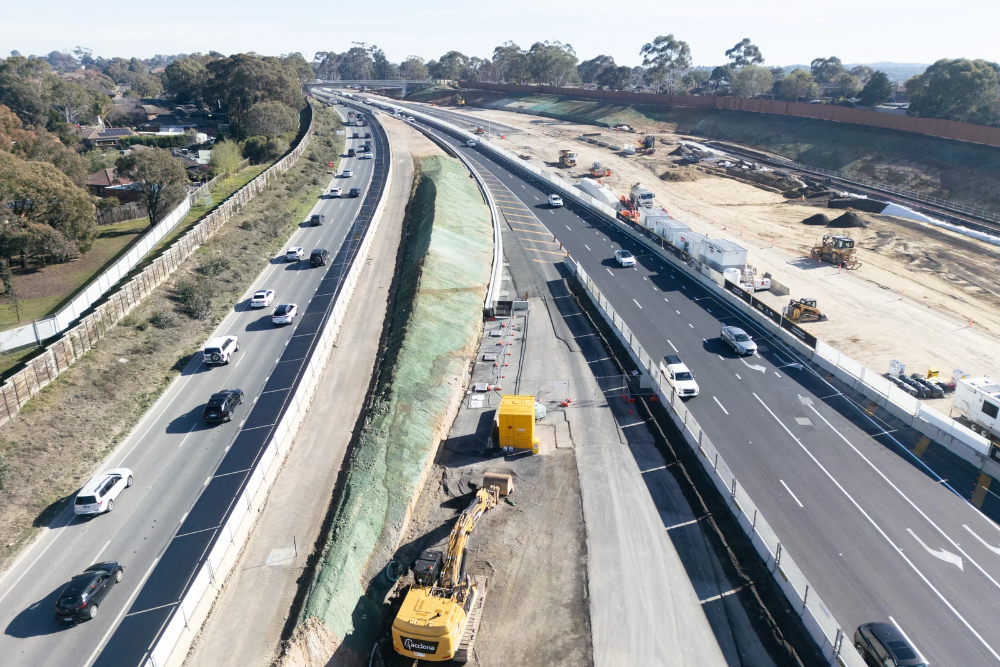
Rework eats margin. On commercial construction projects across Central Texas, field clashes, missed penetrations, and late design changes can force crews to tear out installed work and redo it on overtime. Construction Executive recently highlighted BIM coordination’s role in identifying clashes, improving communication, and reducing rework. For contractors in Austin, Round Rock, San Marcos, Waco, and along the I-35 corridor, the practical question is how to turn that idea into a repeatable VDC coordination process that protects schedule, labor, and profit.
Key Takeaways
VDC coordination is the structured process of bringing architecture, structure, MEP, fire protection, and other discipline models into one shared coordination environment, then reviewing them to resolve conflicts before work is built in the field. Its main value is simple: it helps contractors find problems earlier, when they are still cheaper and easier to fix.
- Coordinated virtual design and construction workflows help teams identify hard clashes, clearance conflicts, and sequencing issues that often become RFIs, change orders, or field rework during installation.
- On compressed, tightly sequenced projects, rework can become especially costly because one coordination miss can disrupt the trades behind it.
- VDC coordination is not just software. It is a repeatable process in which the VDC team, project managers, superintendents, and trade partners work from a shared model and decision log.
- When connected to field layout and verification, model-based coordination can improve accuracy, reduce rework, and support stronger as-built documentation.
- This article provides a practical coordination playbook contractors can apply on their next project, from kickoff through turnover.
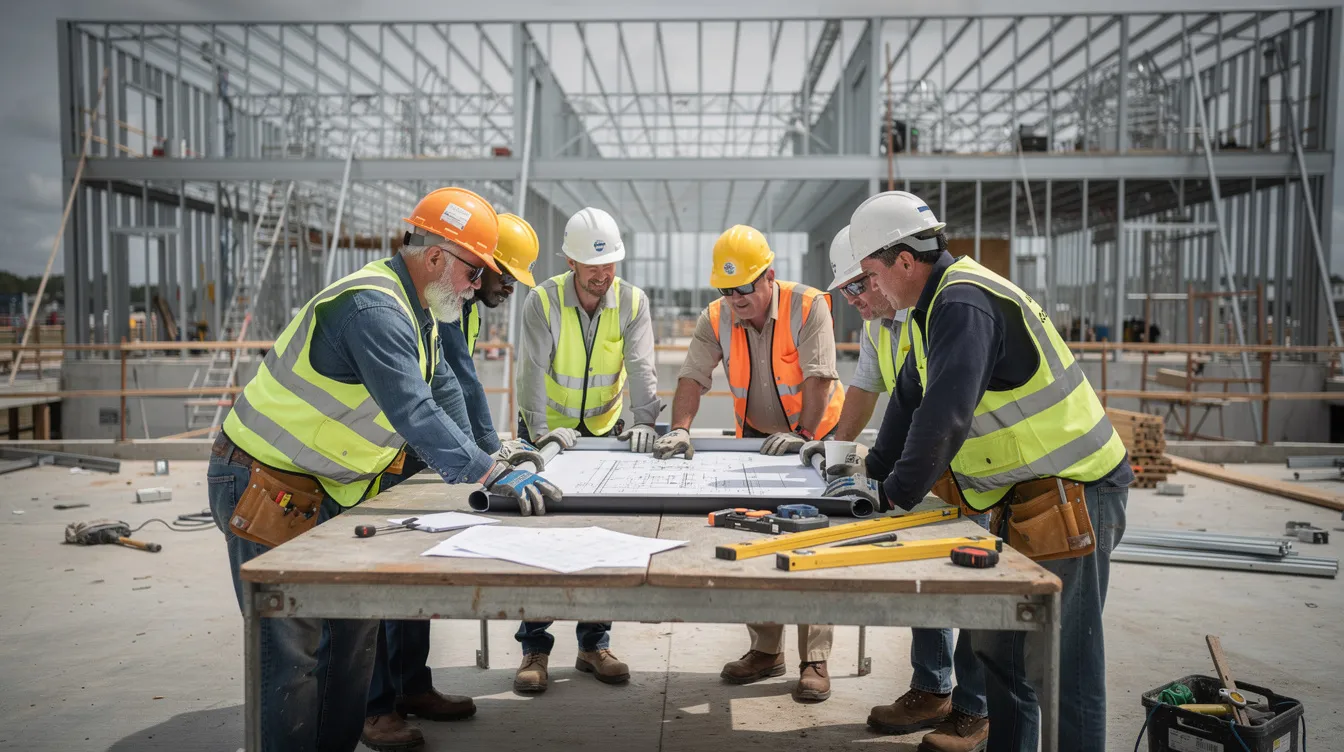
What Is Virtual Design and Construction Coordination in Practical Contractor Terms?
Virtual design and construction coordination is the structured process of bringing together discipline models, such as architecture, structure, mechanical, electrical, plumbing, fire protection, low voltage, and site utilities, to identify and resolve conflicts before construction moves too far in the field. In practical terms, it goes beyond 3D modeling alone. BIM creates digital models; VDC coordination uses those models for planning, problem-solving, and decision-making across the project team.
- VDC coordination combines people, process, and modeling tools. The technology matters, but the repeatable workflow matters more.
- A VDC execution plan sets project goals, roles, model-sharing expectations, and standards for how the team will review and resolve issues.
- Depending on the project, teams may also use related tools such as reality capture, model-based layout, or schedule visualization, but the core value starts with disciplined coordination meetings and reliable model review.
On Central Texas commercial projects, that coordination can make the difference between solving a conflict on screen and solving it with labor, delay, and tear-out after installation has started.
How Poor Coordination Drives Rework on Central Texas Jobs
Picture a tenant improvement in Round Rock where the mechanical subcontractor completes overhead ductwork rough-in, only for the crew to discover that a structural beam occupies the same space the main trunk was routed through. The fix can mean cutting, rerouting, adding labor, and delaying downstream trades.
- Conflicting dimensions between architectural and structural information, such as slab depth versus duct clearance, are common rework drivers that VDC coordination targets directly.
- Missing penetrations for piping, conduit, or fire protection that were not coordinated early can force field fixes after concrete is placed.
- Misaligned equipment pads or uncoordinated model revisions can trigger avoidable site work and reinstall work.
- Outdated 2D plans, unmanaged revisions, and informal field fixes can break the link between the virtual model and the actual work in place.
Along the I-35 corridor, many projects run with limited float and stacked trade schedules. In that environment, teams do not need many coordination misses before labor productivity and schedule reliability start to slip. That is why VDC coordination works best when it begins early and continues through field execution rather than ending with a clash report.
Core Elements of Effective VDC Coordination
A strong VDC coordination program can scale to projects of many sizes. The building blocks stay largely the same whether the job is a small office renovation or a large institutional build.
- Model aggregation: Each major discipline contributes a model or coordinated information set that teams can review in one federated environment.
- Clash detection and issue tracking: Teams identify conflicts, assign responsibility, and track resolution with due dates and clear ownership.
- Regular coordination meetings: The VDC team, project managers, superintendents, and trade foremen review open clashes, pending design questions, and field impacts on a recurring cadence.
- Level-of-detail expectations: Each model needs enough detail to support construction decisions without creating false confidence.
- Procurement awareness: Flag open coordination decisions that affect fabrication, approvals, or long-lead equipment early so they don’t become schedule problems later.
At its best, VDC coordination gives the project team a shared source of truth instead of scattered email threads, marked-up PDFs, and trade-by-trade assumptions.
Model Coordination and Clash Detection: Finding Problems Before Crews Do
Clash detection is one of the most useful parts of VDC coordination. It helps teams review how systems relate before crews install them.
- Hard clashes: Two modeled objects occupy the same physical space, such as a pipe running through a beam.
- Soft clashes: Required clearances are violated, such as maintenance access, equipment service space, or electrical working clearances.
- Workflow clashes: One scope blocks another trade’s installation path, access, or sequencing plan.
Effective teams group clashes by floor, zone, or discipline so review sessions stay manageable and match the way the superintendent sequences the work. They also tune clash rules to reduce false positives and focus attention on the conflicts most likely to trigger field rework.
Reality capture and field verification tools can also help compare installed conditions against the coordination model and identify discrepancies earlier, before those discrepancies spread into adjacent work.
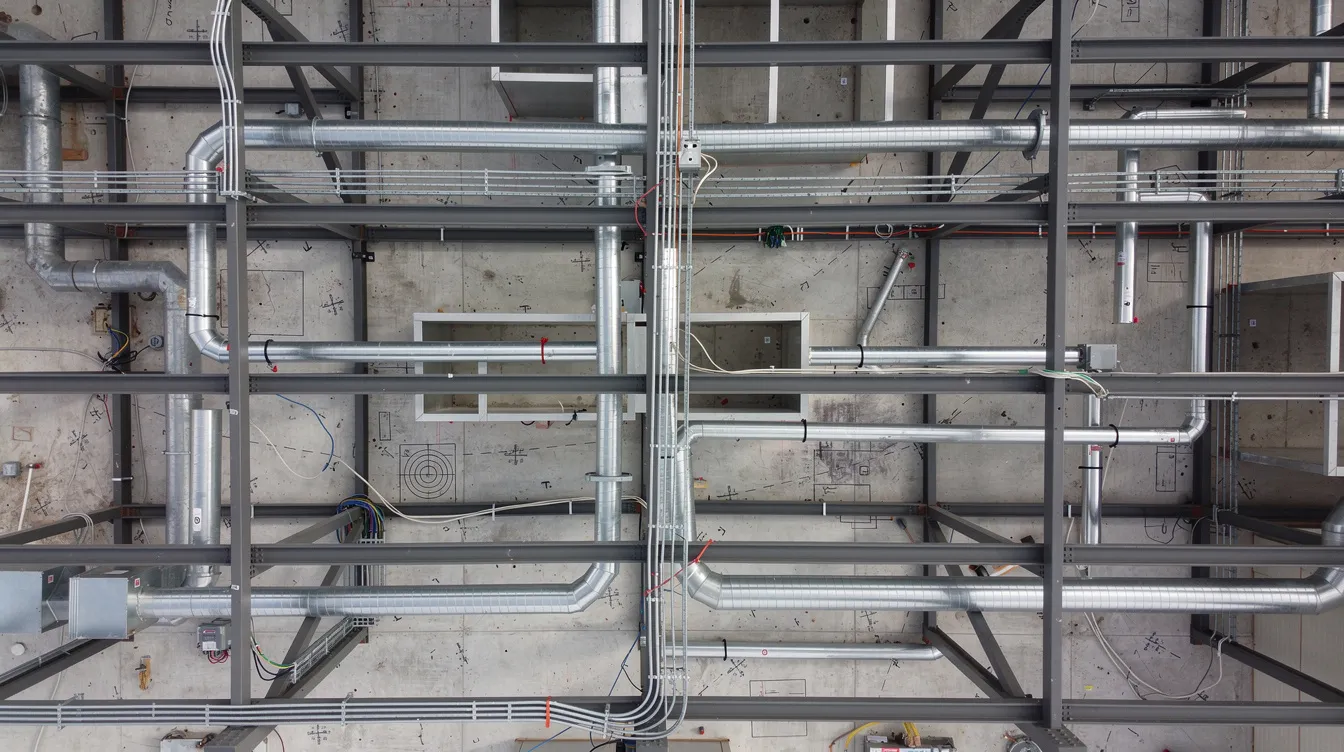
Using VDC Coordination Across the Project Life Cycle
VDC coordination is most valuable when it supports decisions throughout the project, not only during one preconstruction meeting cycle.
- Design development: Early coordination can help teams compare system approaches, identify tight spaces, and understand existing conditions on renovation or reuse projects.
- Construction documents and preconstruction: Federated trade models go through clash detection and coordination reviews so teams can address major conflicts before installation begins.
- Construction phase: Coordination shifts to installation planning, field layout support, prefabrication sequencing, and revision management.
- Turnover and operations: Coordinated models may support owner handoff and future facility use when the project scope includes that level of record documentation.
That last point matters because a coordinated construction model does not automatically become a full digital twin or building-operations platform. Those outcomes typically require additional owner scope, data standards, and system integration. For most contractors, the immediate value is more practical: better coordination before close-in, cleaner field execution, and more reliable turnover information.
Connecting VDC Coordination to Field Execution and Layout
The value of coordination is only realized when the field builds what the team agreed to in the model. That is where model-to-field workflows matter most.
- Coordinated models can support total-station layout, prefabricated rack installation, and in-slab or below-grade planning.
- Field engineers and foremen who participate in coordination reviews are better positioned to confirm that modeled solutions are actually buildable.
- Tablets, kiosks or other accessible field tools can reduce reliance on outdated plan sets and help crews reference current information.
ABC National field-tech guidance links BIM-based layout and model-driven verification to reduced rework, improved accuracy, and stronger as-built documentation. That is especially useful on fast-moving Central Texas projects where the cost of discovering a mismatch late is often much higher than the cost of checking it early.
ABC National field-tech reporting also notes a practical reality: rework still occurs, and the earlier it is identified, the less disruptive it tends to be.
Safety, Productivity and VDC: More Than Just Cost Control
Most construction teams think about VDC coordination first as a schedule and cost tool. That is fair, but it also supports safer and more predictable execution when used well.
- When coordination removes surprises, trades spend less time working out of sequence, rehandling materials, or crowding into the same work areas.
- Coordination models can help teams plan access routes, work areas, and temporary protections on tighter jobsites.
- Prefabrication based on coordinated model information can shift some work to more controlled environments, which may reduce field congestion and installation risk.
- Visual model review can also help field leaders communicate sequencing and access constraints before crews encounter them on site.
OSHA specifically notes that communication and coordination are important on multiemployer worksites so all workers receive equal protection against hazards. VDC coordination does not replace a safety program, but it can support safer planning when teams use model review to identify access conflicts, sequencing risks, and crowded work areas before those conditions develop in the field. Contractors who pair those planning habits with structured safety programs strengthen both execution and risk control.
Apprentices and newer field leaders who come through registered apprenticeship and workforce development pathways may also be more comfortable working with digital plans, model views, and coordination workflows, which can help bridge the gap between office planning and field installation.

Building and Leading an Effective VDC Team
Not every Central Texas contractor has a dedicated VDC department. Many firms can still build an effective process by assigning clear ownership and bringing the right people into the room.
- VDC coordinator or manager: Owns the federated model, runs clash detection, facilitates meetings, and tracks issue resolution.
- Discipline modelers: Trade partners or in-house staff maintain the discipline models and update them as decisions change.
- Field champions: Superintendents and foremen bring constructability and sequencing reality into coordination discussions.
The most important habit is accountability. Every issue in the coordination log should have an owner, a due date, and a path to resolution. Contractors relying on subcontractor models should also define expectations early in bid and contract documents so participation in VDC coordination is treated as part of project delivery, not an optional extra.
A Simple VDC Coordination Playbook for Your Next Project
This checklist is designed for project executives, project managers, and superintendents preparing for an upcoming job in Austin, Round Rock, San Marcos, Waco, or elsewhere in Central Texas.
- Confirm which major trades will provide models and which high-risk areas must be coordinated first.
- Hold a VDC kickoff to define model scope, level of detail, file-sharing expectations, naming standards, and update frequency.
- Set recurring coordination meetings by floor, zone, or system so the review process matches the way the work will actually be built.
- Agree on clash-priority rules. Hard clashes, code-required clearances, and issues that affect structural work or major penetrations should rise to the top.
- Build field verification into the schedule. Check embeds, slab openings, underground utilities, and layout control points before installation or pours lock errors in place.
- Capture lessons learned at the end of the project and fold them back into your next coordination standard.
The main goal is not a perfect model for its own sake. It is a repeatable process that helps project teams make earlier decisions, reduce avoidable rework, and execute with fewer surprises.
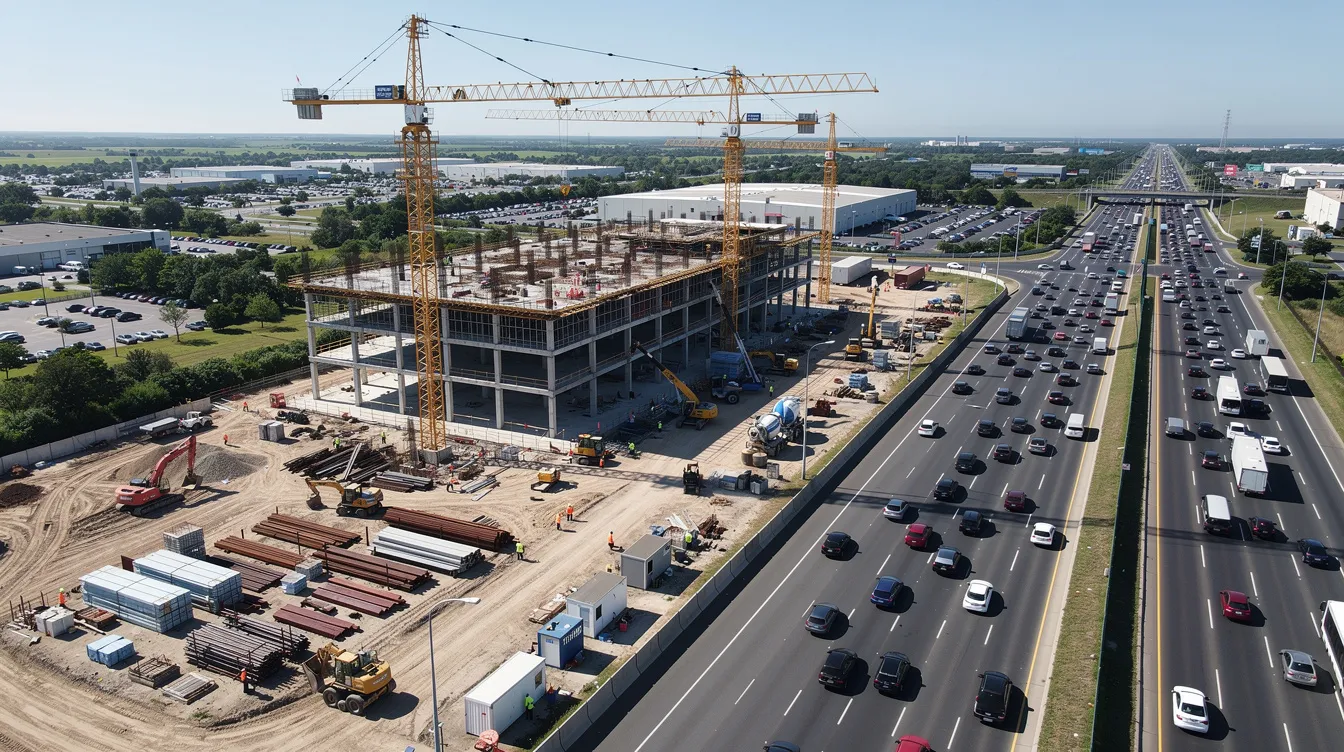
How ABC Central Texas Can Support Your VDC Coordination Journey
ABC Central Texas serves commercial contractors across Greater Austin, Waco, and the broader Central Texas market. While the chapter is not a VDC software vendor, it can support the workforce, leadership, and safety side of better coordination.
- Members can reinforce model-based planning with formal safety and training resources that help translate office decisions into safer field execution.
- The chapter’s registered apprenticeship programs in trades such as electrical, HVAC, plumbing, and sheet metal support the development of crews that can work more confidently from coordinated plans and installation drawings.
- Contractors looking to strengthen operations and project discipline can explore broader education and peer-learning opportunities through ConstructionU and other chapter programs.
- Firms that want to connect with peers facing similar delivery challenges can explore membership for training, networking, and regional industry support.
Frequently Asked Questions About VDC Coordination
These questions address common follow-ups contractors raise when they begin exploring VDC coordination.
Do I need a full BIM model to start VDC coordination on smaller projects?
Not always. Smaller projects can still benefit from partial modeling focused on the most coordination-intensive areas, such as mechanical rooms, overhead MEP corridors or slab penetrations. Start where the rework risk is highest.
How early in design should we begin VDC coordination?
Coordination works best once major systems and structural grids are defined, often during late design development or early construction documents. Waiting until shop drawings are nearly complete reduces the team’s ability to prevent rework upstream.
What if some trade partners do not have in-house modeling capability?
Options include using third-party modelers, having a general contractor or lead trade support limited modeling from shop drawings or focusing coordination on the highest-risk scopes first. The key is to define expectations before the project is underway.
How does VDC coordination interact with our quality control program?
VDC coordination acts as an upstream quality-control step. It does not replace inspections or testing, but it can help teams catch conflicts before those items become field deficiencies. Many contractors align key QC hold points with coordination milestones.
What is a realistic first step for a firm new to VDC coordination?
Start with one pilot project and one high-risk area, such as a dense corridor or equipment room. Use that pilot to refine your meeting cadence, clash log, field verification steps and model-to-field communication before scaling the process companywide.